

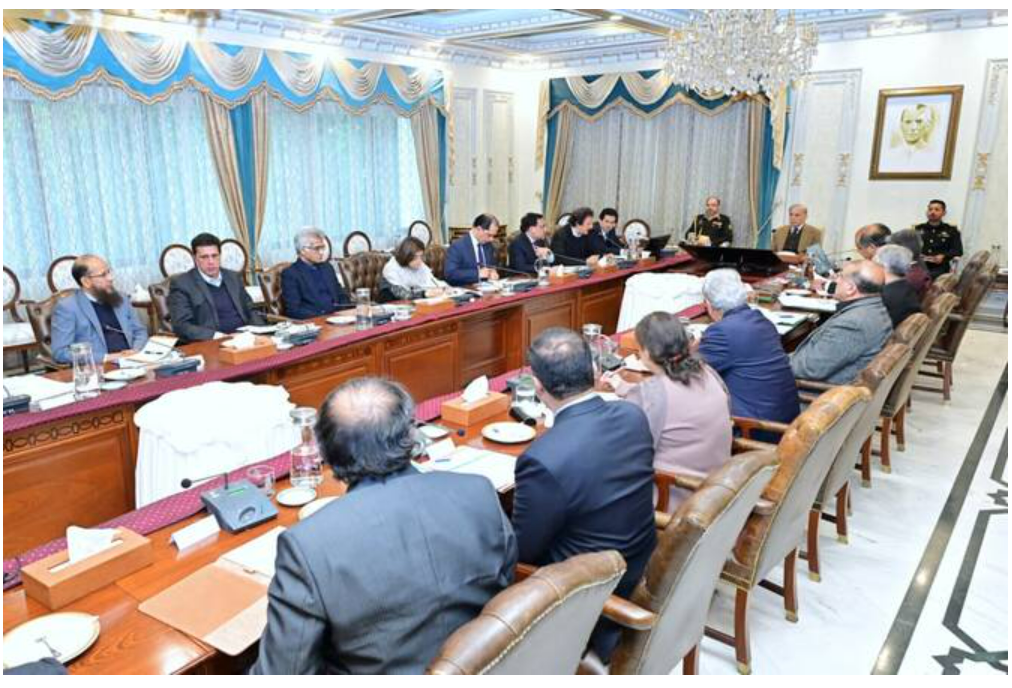
ISLAMABAD – Prime Minister Shehbaz Sharif has approved a comprehensive National Policy Framework aimed at revolutionizing Pakistan’s gemstone sector, targeting the country’s estimated $450 billion in untapped gemstone reserves to drive economic growth and create thousands of jobs.
During a high-level meeting focused on the country’s gemstone reserves, sectoral reforms, and export enhancement, the Prime Minister outlined an ambitious plan to transform Pakistan’s largely underdeveloped gemstone industry into a major economic driver. Currently, Pakistan’s annual gemstone exports stand at a mere $5.8 million despite holding vast reserves of precious stones including emeralds, rubies, peridot, topaz, and aquamarine.
Ambitious Export Targets Set
The government has set a target of achieving $1 billion in gemstone exports over the next five years, representing a dramatic increase from current levels. Prime Minister Sharif emphasized that Pakistan’s gemstone reserves are worth approximately $450 billion, yet the sector has remained underdeveloped due to lack of proper structure, certification systems, and skilled workforce.
“Pakistan has extraordinary gemstone reserves, but without proper systems, we are losing value. This policy will bring transparency, skills, and global trust,” the Prime Minister remarked during the briefing.
The new policy framework addresses systemic weaknesses that have plagued the industry for decades, including widespread smuggling, weak regulation, and the export of unprocessed raw stones that deprive Pakistan of billions in value-added trade.
Key Policy Initiatives
The approved framework includes several strategic measures designed to modernize and formalize the gemstone sector:
Centers of Excellence: Two “Centers of Excellence” will be established this year to foster innovation and expertise. These centers will train gemstone cutters, polishers, and valuators, addressing the critical skills gap in the industry.
International Certification: The government will introduce international-standard testing laboratories and a formal certification and warranty system to enhance the credibility of “Brand Pakistan” in global markets. This move is expected to build trust among international buyers and investors.
Geological Mapping: Comprehensive geological surveys will be conducted to scientifically map Pakistan’s gemstone deposits across key regions including Khyber Pakhtunkhwa, Gilgit-Baltistan, and Balochistan. The Prime Minister has directed that these surveys determine the geography and value of reserves with full consultation of provincial governments and stakeholders.
Combating Smuggling: A central objective of the policy is to shift gemstone trade from illegal smuggling channels to documented, regulated exports. This transition is expected to generate massive foreign exchange inflows while ensuring proper revenue collection.
Economic Impact and Job Creation
According to industry experts and government officials, the comprehensive development of Pakistan’s mineral and gemstone industry could increase GDP by $5-7 billion annually over the next ten years and generate tens of thousands of direct and indirect jobs.
The Ministry of Industries and Production has formulated a comprehensive action plan that will integrate the gemstone value chain into the national economy, promote local processing for value addition, adopt modern technology, and launch private sector training programs.
Currently, over 5,000 companies are processing more than 30 types of precious stones in the country. However, most operations remain informal and lack the technological sophistication required to compete in global markets.
Private Sector Participation Encouraged
The policy framework strongly encourages private sector participation, particularly targeting young entrepreneurs and foreign investors to lead industry modernization. The government aims to shift Pakistan away from exporting raw stones toward domestic cutting, polishing, and branding, which could significantly increase revenue retention.
The Prime Minister directed immediate measures to engage internationally acclaimed experts to resolve obstacles in policy implementation and called for encouraging private companies to invest in the sector.
Institutional Framework
To ensure effective implementation, the government plans to establish a dedicated authority for sector development and investment, along with a National Warranty Office to streamline exports. The Ministry of Finance has been instructed to immediately release required funds for smooth execution of the policy framework.
Federal Minister for Petroleum Ali Pervaiz Malik emphasized that the Pakistan Minerals Investment Forum (PMIF) will serve as a key platform for promoting mining awareness, stimulating economic activity, and attracting sustainable investment into Pakistan’s mineral sector.
Regional Resources
Pakistan’s gemstone wealth is concentrated in several key regions. Leading reserves include emerald, peridot, ruby, topaz, and aquamarine, primarily located in the northern areas and Balochistan. These regions have historically been underexplored due to infrastructure challenges and security concerns.
The government has emphasized the importance of ensuring that local communities benefit directly from resource development, with discussions on environmental protection, worker safety standards, and ESG (environmental, social, governance) compliance integrated into the policy framework.
International Standards and Transparency
A key element of the new policy is aligning Pakistan’s gemstone industry with international standards. By creating a transparent, accessible platform for global stakeholders, the government aims to position Pakistan as a credible and responsible partner in the global minerals market.
The establishment of international-standard laboratories and certification systems is designed to eliminate concerns about authenticity and quality that have previously hindered Pakistan’s competitiveness in global markets.
Strategic Economic Importance
The gemstone policy is part of Pakistan’s broader strategy to diversify its export base and reduce dependence on traditional sectors like textiles and agriculture. With global demand for precious stones remaining strong, the government sees the sector as having transformative potential for the national economy.
The initiative comes as Pakistan intensifies efforts to monetize its untapped mineral resources amid fiscal pressures and an IMF-backed reform program. Over the past two years, the country has hosted international minerals conferences and signed cooperation agreements with countries including the United States, Saudi Arabia, and China to improve governance and attract foreign investment.
Implementation Timeline
Prime Minister Sharif has directed strict adherence to the timeline for actions outlined in the policy framework, with several key initiatives to be completed within the current year. The government has emphasized that rapid implementation is critical to achieving the ambitious export targets set for the five-year period.
The policy represents a comprehensive approach to unlocking what officials describe as a “game-changer” for Pakistan’s exports and foreign exchange earnings, potentially transforming an underdeveloped sector into a strategic pillar of economic growth.
