
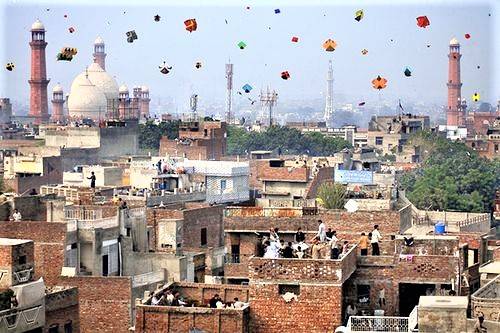
After nearly two decades of absence, Lahore’s iconic Basant festival is set to return from February 6 to 8, 2026, marking a historic moment for Pakistan’s cultural capital. The Punjab government has lifted the ban that was imposed in 2007, bringing back the vibrant spring celebration under comprehensive safety regulations designed to prevent the tragedies that led to its initial prohibition.
Historic Revival of Lahore’s Traditional Spring Festival
Chief Minister Maryam Nawaz has approved the revival of the heritage Basant festival, which will be celebrated across Lahore after 25 years of restricted or banned activity. Punjab Information Minister Azma Bokhari confirmed that the festival would be “completely safe, regulated, and strictly monitored”, emphasizing the government’s commitment to public safety while preserving cultural traditions.
The three-day celebration represents more than just kite flying. Basant Panchami, meaning the fifth day of the lunar month Magh, has historically been a celebration of spring’s arrival, future crop prosperity, and good fortune. The tradition of kite flying was introduced as a regular feature during the 19th century under Maharaja Ranjit Singh’s annual Basant fair.
Strict Safety Measures Under New Ordinance
The return of Basant comes with an unprecedented regulatory framework. The Punjab Kite Flying Ordinance 2025 empowers police officers of the rank of sub-inspector to make arrests and conduct searches without warrants on credible information. This legal structure aims to prevent the incidents that caused the original ban, including deaths and injuries from dangerous kite strings and celebratory gunfire.
Authorities have implemented bans on metallic, wired, and chemically coated kite strings, allowing only traditional cotton strings with light glass coating. Protective antennas will be installed on motorcycles throughout Lahore to shield riders from accidental contact with kite strings, addressing one of the primary safety concerns from previous celebrations.
Registration Requirements and Designated Venues
All participants in Basant-related commercial activities must register through the government’s e-Biz Punjab system. Registration fees for kite and string makers are set at Rs. 1,000, and approved materials will receive QR codes for verification. Citizens who report the use of prohibited kite strings will receive rewards of Rs. 5,000, encouraging community participation in maintaining safety standards.
Selected locations for festivities include Greater Iqbal Park, Jallo Park, Jilani Park, Gulshan Iqbal Park, and Model Town Park, with some areas of the historic Walled City potentially opening for activities. Special monitoring teams will remain active throughout the festival to prevent violations and ensure citizen safety.
Cultural and Economic Significance
The festival’s return carries deep cultural meaning for Lahore. Senior Minister Marriyum Aurangzeb stated that “Spring returns to the city of heritage and festivals. Lahore’s skies will speak in colour again”, capturing the emotional significance of this revival for residents who have missed the tradition for nearly two decades.
Beyond cultural preservation, the regulated Basant creates opportunities for legitimate economic activity. For years, kite makers, paper dyers, bamboo cutters, string producers, and seasonal vendors operated in an unregulated shadow economy. The new framework provides these artisans and small businesses with legal recognition while ensuring safety standards and expanding the provincial tax base.
Public Responsibility and Future Outlook
The Home Department has clarified that kite flying will remain completely banned elsewhere in Punjab under the Punjab Regulation of Kite Flying Bill 2025, making Lahore the pilot location for this carefully controlled revival. Success in maintaining safety during these three days will determine whether Basant can continue as an annual tradition or if violations might lead to renewed restrictions.
Deputy Commissioner Syed Musa Raza emphasized that Basant represents Lahore’s cultural identity and that ensuring a safe celebration is the collective responsibility of government, administration, and citizens. The government has made clear that kite flying outside the designated February dates will not be permitted under any circumstances, with strict enforcement measures in place.
As Lahore prepares for this momentous return of one of its most cherished festivals, the balance between cultural celebration and public safety will be tested. With comprehensive regulations, advanced monitoring systems, and community cooperation, the 2026 Basant festival aims to demonstrate that tradition and safety can coexist, potentially setting a model for future celebrations across Punjab.
