

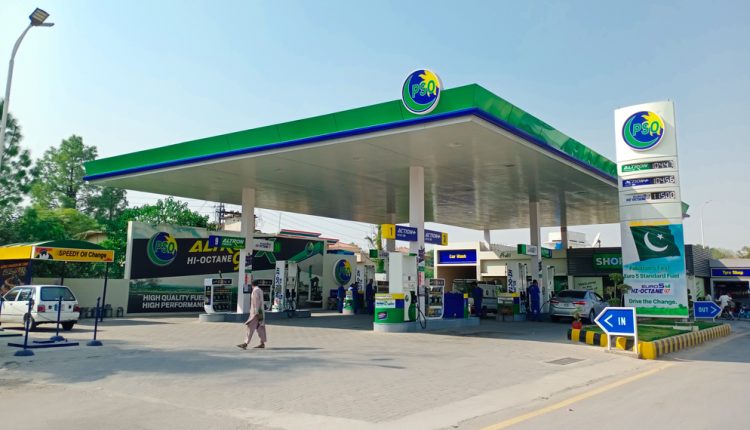
The government of Pakistan has decided to keep petrol and high-speed diesel prices unchanged despite a significant increase in global oil prices, aiming to provide temporary relief to consumers across the country.
According to officials from the Ministry of Energy, the government will absorb the financial impact of rising international oil prices instead of passing the burden directly onto the public. This decision is expected to help control transportation costs and ease inflationary pressure on households and businesses.
Officials confirmed that the government will provide financial support to oil marketing companies through the Oil and Gas Regulatory Authority to maintain the current fuel prices.
Government to Pay Price Differential
To maintain stable fuel prices, the government will cover a price differential of approximately Rs49.63 per litre on petrol and Rs75.05 per litre on high-speed diesel.
This support will be provided to oil marketing companies through the regulatory framework managed by the Oil and Gas Regulatory Authority.
In total, the government is expected to spend around Rs23 billion to ensure that fuel prices remain unchanged for consumers despite the increase in international oil prices.
Prime Minister’s Austerity Fund Created
To finance this subsidy, the government has approved the creation of the Prime Minister’s Austerity Fund, with an allocation of Rs27.1 billion.
Out of this amount, Rs23 billion will be transferred to the Oil and Gas Regulatory Authority to settle claims submitted by oil marketing companies.
The remaining funds will remain available for additional financial adjustments if required.
Relief for Consumers
By keeping fuel prices stable, the government hopes to provide short-term relief to citizens and prevent a sudden increase in transportation and logistics costs.
Fuel prices play a critical role in Pakistan’s economy because changes in petrol and diesel prices directly impact transportation fares, food supply chains, and overall inflation levels.
Officials say the decision reflects the government’s effort to balance economic stability with consumer protection during a period of volatile global oil markets.
However, experts note that such financial support measures are typically temporary and may be reviewed depending on international oil price trends and fiscal conditions.
