
Pakistan is preparing to introduce major incentives for New Energy Vehicles (NEVs) as part of the upcoming Auto Policy 2026–31, signaling a significant shift toward cleaner and more sustainable transportation.
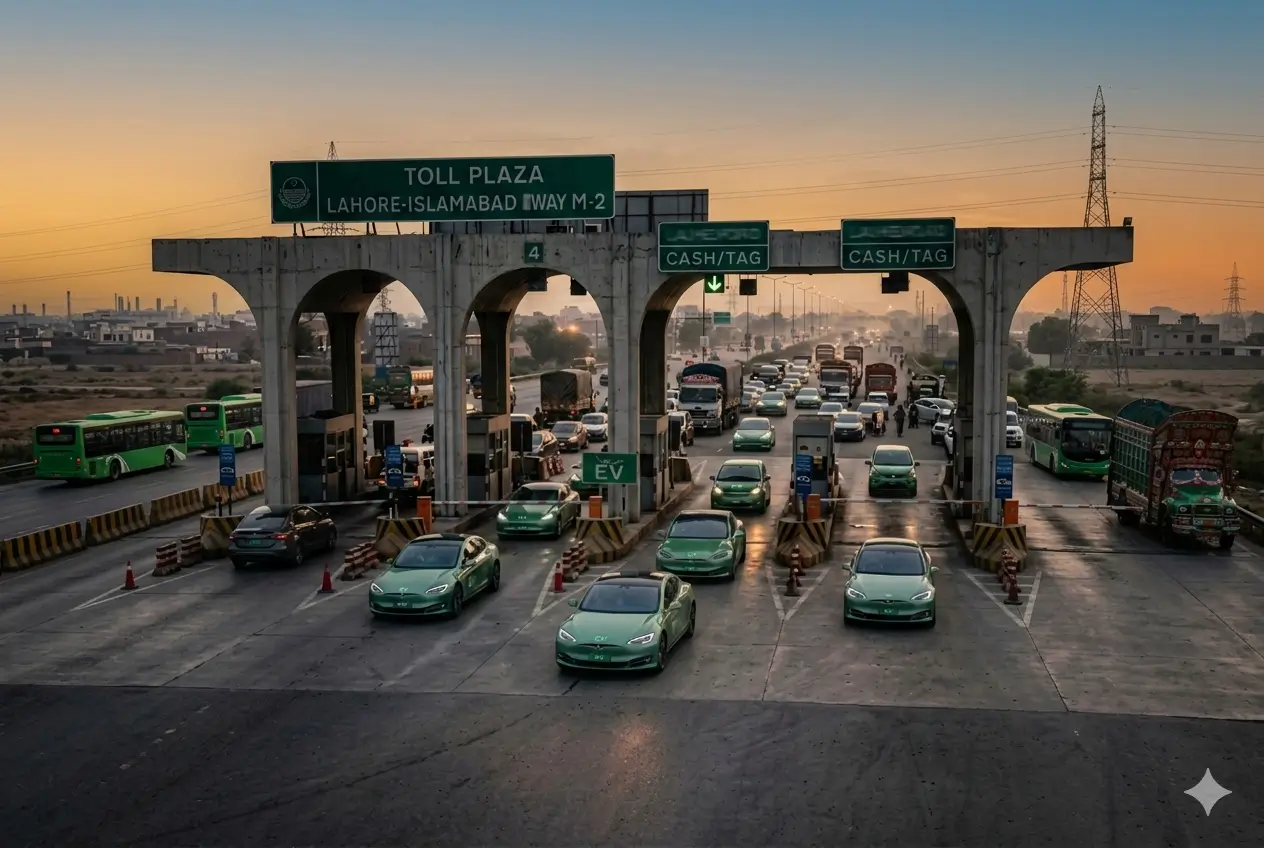
According to emerging policy details, the government is considering toll exemptions on motorways and national highways for NEVs, including battery-electric vehicles (EVs), plug-in hybrid vehicles (PHEVs), and hydrogen fuel-cell vehicles. The proposed move is aimed at accelerating the adoption of environmentally friendly transport while reducing the country’s dependence on fossil fuels.
The upcoming policy is also expected to introduce wide-ranging tariff reforms for the automotive sector. These include a gradual reduction in import duties on vehicles and auto parts, along with plans to phase out additional customs duties and regulatory duties by 2030. Officials believe the reforms could help modernize Pakistan’s automotive industry and improve competitiveness in the regional market.
Industry experts say the proposed incentives could encourage more consumers to shift toward electric mobility by lowering operational costs and making NEVs more financially attractive. Toll-free access on major road networks would especially benefit long-distance travelers, commercial fleets, and ride-hailing services transitioning to electric vehicles.
The Auto Policy 2026–31 is also expected to focus on boosting local manufacturing and attracting investment in EV assembly, battery technology, and charging infrastructure. Policymakers believe the transition toward clean mobility could create new industrial opportunities, generate employment, and support Pakistan’s long-term climate and sustainability goals.
Pakistan has already taken initial steps toward electric mobility in recent years, including EV charging initiatives and incentives for electric bike and vehicle imports. The new policy is expected to expand these efforts and provide a more comprehensive framework for the future of the country’s transportation sector.
If implemented, the proposed toll exemption policy could become one of the most visible incentives for NEV users in Pakistan, encouraging broader public adoption of clean-energy vehicles while supporting greener and smarter transport systems nationwide.
