

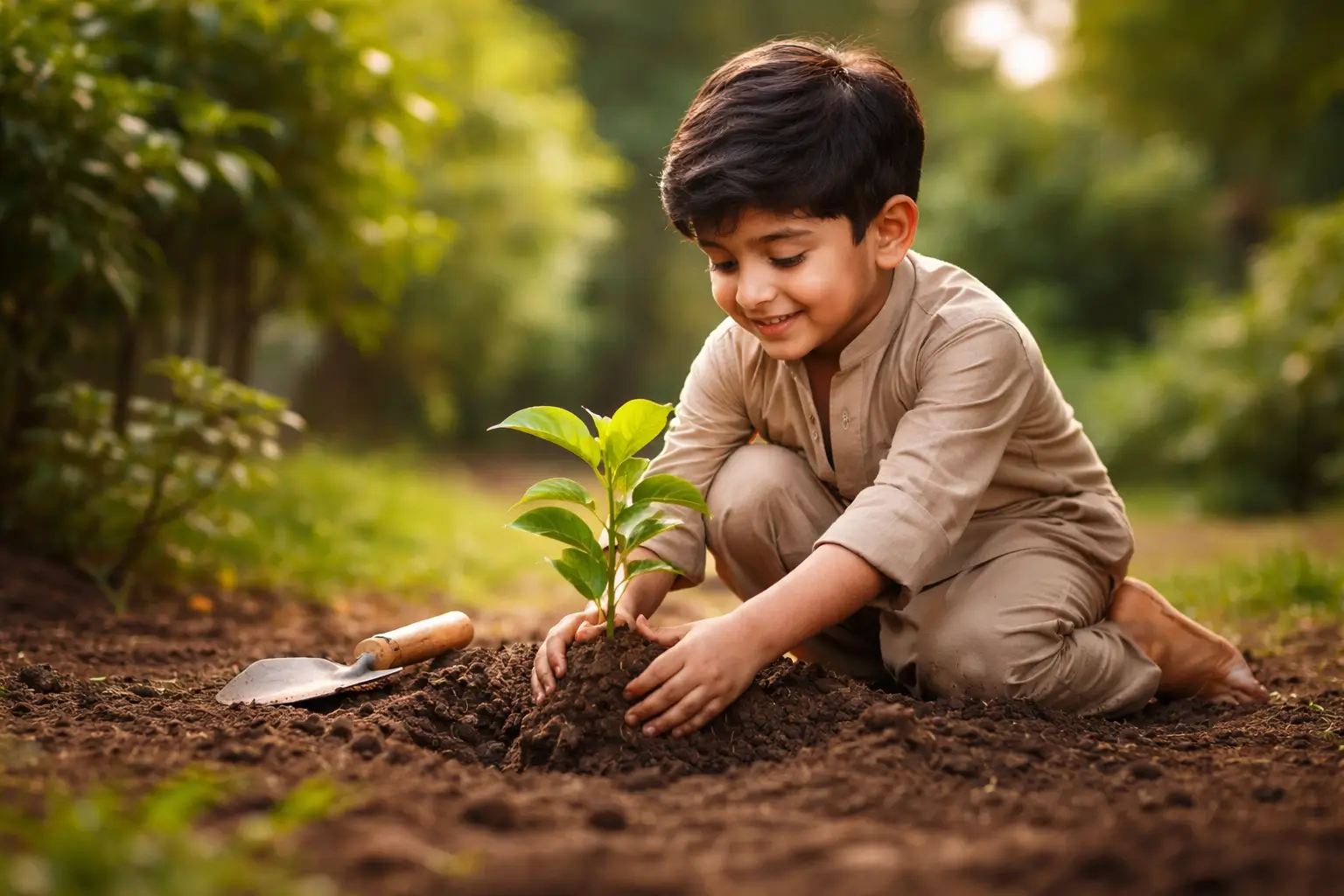
Pakistan has accelerated its nationwide afforestation efforts in 2026 as part of a broader climate resilience and environmental sustainability strategy. The initiative builds upon previous plantation campaigns and focuses on increasing forest cover, restoring degraded land, and strengthening ecological protection mechanisms across provinces.
The plantation expansion is being coordinated under the supervision of the Ministry of Climate Change in collaboration with provincial forest departments and local administrations.
Background: Climate Vulnerability and Environmental Urgency
Pakistan remains among the countries most vulnerable to climate change impacts. Rising temperatures, irregular monsoon patterns, glacial melt in northern regions, and extreme weather events have increased environmental and economic pressures.
Experts argue that large-scale afforestation is not merely symbolic — it is an essential adaptation tool that:
- Reduces carbon concentration
- Stabilizes soil and prevents erosion
- Mitigates flood risks
- Restores biodiversity
- Improves urban air quality
The 2026 expansion reflects a strategic shift from seasonal campaigns to structured, year-round plantation programs supported by monitoring systems.
Scope of the 2026 Plantation Drive
The current initiative aims to:
- Expand plantation in urban and peri-urban areas
- Restore degraded forest land
- Promote community-based forestry
- Encourage corporate participation in green projects
- Introduce digital monitoring of planted saplings
Priority regions include climate-sensitive zones, flood-affected districts, and areas experiencing rapid urban expansion.
Authorities have emphasized plantation of native and climate-adaptive species to ensure long-term survival rates rather than short-term plantation targets.
Urban Greening & Smart City Integration
A major component of the 2026 drive focuses on urban greening.
Major metropolitan regions including Islamabad, Lahore, and Karachi are integrating tree plantation targets into smart city planning frameworks.
Urban greening initiatives aim to:
- Reduce heat island effects
- Improve air quality index levels
- Create public green spaces
- Enhance climate resilience of infrastructure
Environmental planners note that urban plantation must be scientifically managed to avoid water stress and ensure sustainability.
Community & Youth Participation
Educational institutions are being encouraged to participate through structured plantation campaigns.
Universities and schools are integrating environmental awareness modules, while youth volunteer groups are being mobilized for maintenance and monitoring of planted areas.
Policy experts stress that long-term environmental impact depends on survival rates — not just the number of trees planted making community engagement critical.
Digital Monitoring & Transparency Measures
To enhance accountability, authorities are implementing digital tracking mechanisms to:
- Record plantation locations
- Monitor growth rates
- Identify survival ratios
- Ensure resource allocation transparency
The move toward technology-based monitoring reflects lessons learned from earlier plantation programs where tracking and maintenance were inconsistent.
Economic & Environmental Impact
Beyond environmental protection, afforestation is expected to generate:
- Rural employment opportunities
- Nursery development growth
- Eco-tourism potential
- Improved agricultural soil conditions
Environmental economists highlight that climate adaptation investments can reduce long-term disaster management costs.
Challenges and Sustainability Concerns
Despite ambitious targets, challenges remain:
- Water availability in arid zones
- Protection against illegal logging
- Long-term maintenance funding
- Ensuring native species preservation
Experts recommend continuous evaluation, inter-provincial coordination, and independent audits to maintain transparency and effectiveness.
Long-Term Vision
The 2026 plantation expansion signals a broader policy direction toward sustainable development and climate responsibility.
Authorities aim to:
- Increase national forest cover ratio
- Align with international climate commitments
- Strengthen disaster resilience
- Promote green economic growth
If implemented effectively with consistent monitoring, the initiative could significantly enhance Pakistan’s environmental sustainability trajectory over the coming decade.
