

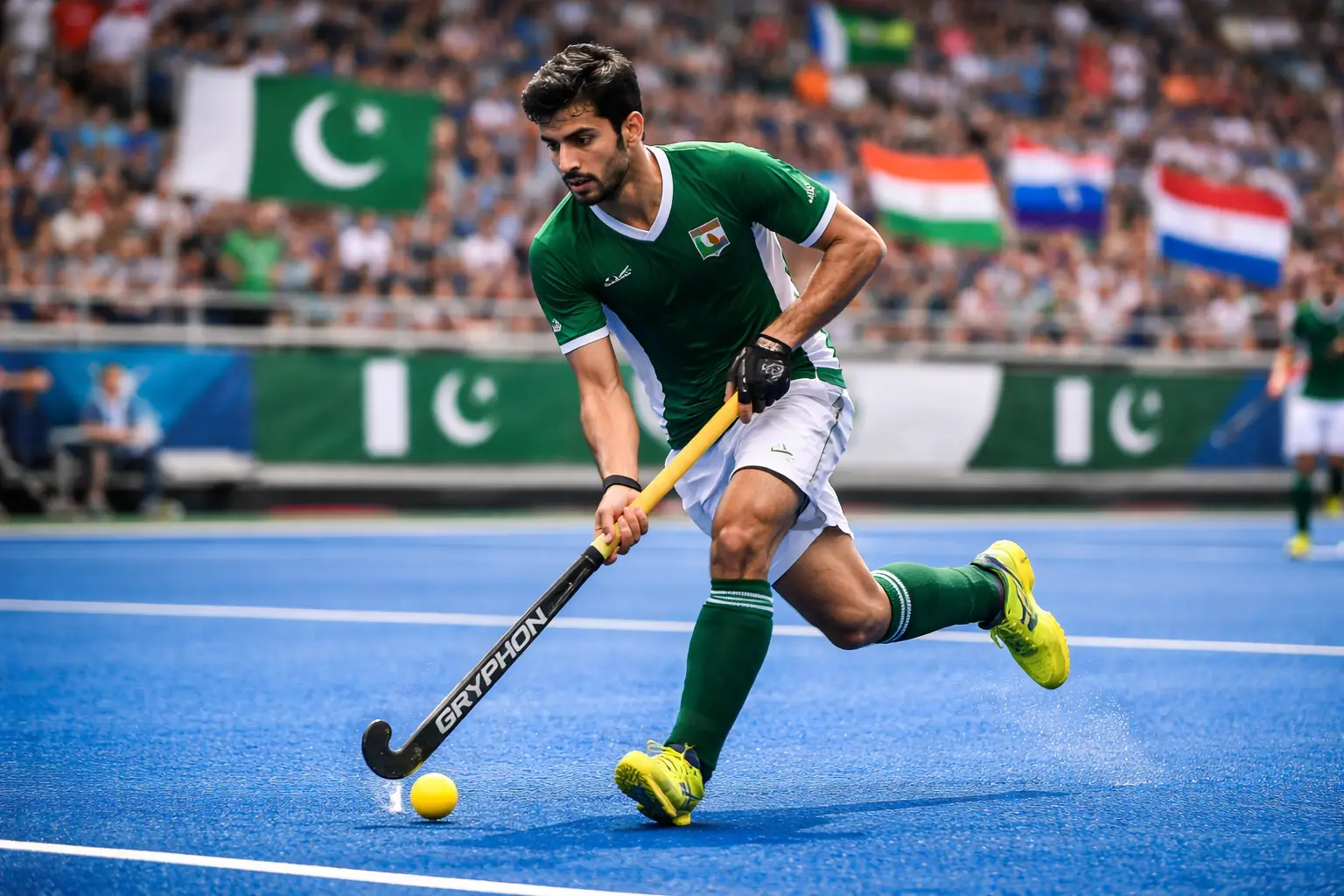
The Pakistan Hockey Federation (PHF) has initiated an extensive structural reform program in 2026 aimed at rebuilding Pakistan’s hockey ecosystem from grassroots to elite level competition. The initiative reflects a long-term institutional strategy focused on governance modernization, youth development, financial sustainability, and competitive revival on the international stage.
Once considered a dominant force in global hockey, Pakistan’s recent decades have been marked by inconsistent performances and administrative challenges. The newly proposed reform agenda seeks to address structural weaknesses through systematic policy implementation and performance-based frameworks.
Historical Context: A Legacy in Need of Restoration
Pakistan remains one of the most decorated nations in international field hockey history. The national team has secured multiple world titles and Olympic medals, establishing the country as a historic powerhouse in the sport.
However, over time, evolving international standards, professionalization of training systems, and internal administrative instability led to a gradual decline in global rankings. Experts believe that restoring competitive excellence requires more than short-term training camps — it demands structural rebuilding from the foundation.
Core Pillars of the 2026 Reform Strategy
The 2026 reform blueprint is structured around five major pillars:
1. Grassroots Development & Talent Identification
A major portion of the reform plan focuses on grassroots revival. PHF aims to reintroduce structured hockey programs at:
- School level
- College and university competitions
- District and divisional tournaments
Regional academies are being strengthened to identify emerging talent at early stages. Performance tracking systems are expected to monitor player growth scientifically rather than relying solely on informal scouting networks.
Sports development analysts emphasize that without a strong domestic pipeline, sustainable national team success remains unattainable.
2. Youth Academies & High-Performance Centers
The reform initiative includes expansion of youth academies with modern training methodologies. These academies will:
- Provide certified coaching programs
- Introduce fitness analytics and injury prevention systems
- Incorporate sports science support
- Develop tactical awareness from early stages
High-performance centers are expected to align domestic training standards with international benchmarks, enabling players to adapt to the speed and structure of modern hockey.
3. Governance & Institutional Transparency
Administrative restructuring forms a central component of the reform agenda. The PHF plans to:
- Implement transparent financial management systems
- Strengthen accountability mechanisms
- Standardize provincial coordination
- Introduce performance evaluation frameworks
Governance experts argue that institutional stability is critical for restoring sponsor confidence and attracting long-term investment into the sport.
4. Domestic Competition Revamp
Domestic tournaments are expected to undergo structural changes to ensure competitive intensity and wider participation.
Key objectives include:
- Reviving inter-departmental tournaments
- Strengthening provincial leagues
- Introducing structured annual calendars
- Ensuring consistent match exposure for emerging players
Regular domestic competition is considered essential for maintaining player form and tactical cohesion.
5. International Exposure & Strategic Partnerships
The reform strategy also includes increased international exposure opportunities through:
- Bilateral series
- Participation in invitational tournaments
- Training exchanges with higher-ranked nations
Such exposure is designed to rebuild confidence and ensure Pakistani players adapt to evolving international standards.
Financial Sustainability & Sponsorship Revival
One of the major long-term goals of the reform is financial stability. Improved governance transparency aims to attract private sector sponsorships and corporate partnerships.
Reviving commercial interest in hockey is considered critical for sustaining academy operations, player contracts, and infrastructure upgrades.
Long-Term Vision: Rebuilding a National Sporting Identity
The 2026 reform plan is not merely about immediate tournament results — it represents a generational rebuilding effort.
The vision includes:
- Creating a self-sustaining talent pipeline
- Restoring Pakistan’s credibility in international hockey
- Inspiring youth participation nationwide
- Strengthening national sporting identity
Policy analysts note that true reform success will depend on consistent implementation rather than short-term announcements.
Challenges Ahead
While the blueprint is comprehensive, several challenges remain:
- Funding constraints
- Infrastructure modernization needs
- Consistent provincial coordination
- Maintaining merit-based selections
Experts stress that long-term commitment from stakeholders — including government bodies, private sponsors, and sports administrators — will determine the outcome of the reform process.
Conclusion
The Pakistan Hockey Federation’s 2026 structural reforms represent a calculated effort to rebuild national hockey through systematic grassroots development, governance transparency, and competitive restructuring.
If implemented effectively, the initiative could mark a turning point in restoring Pakistan’s position in international field hockey and reconnecting the nation with one of its most celebrated sporting legacies.
