

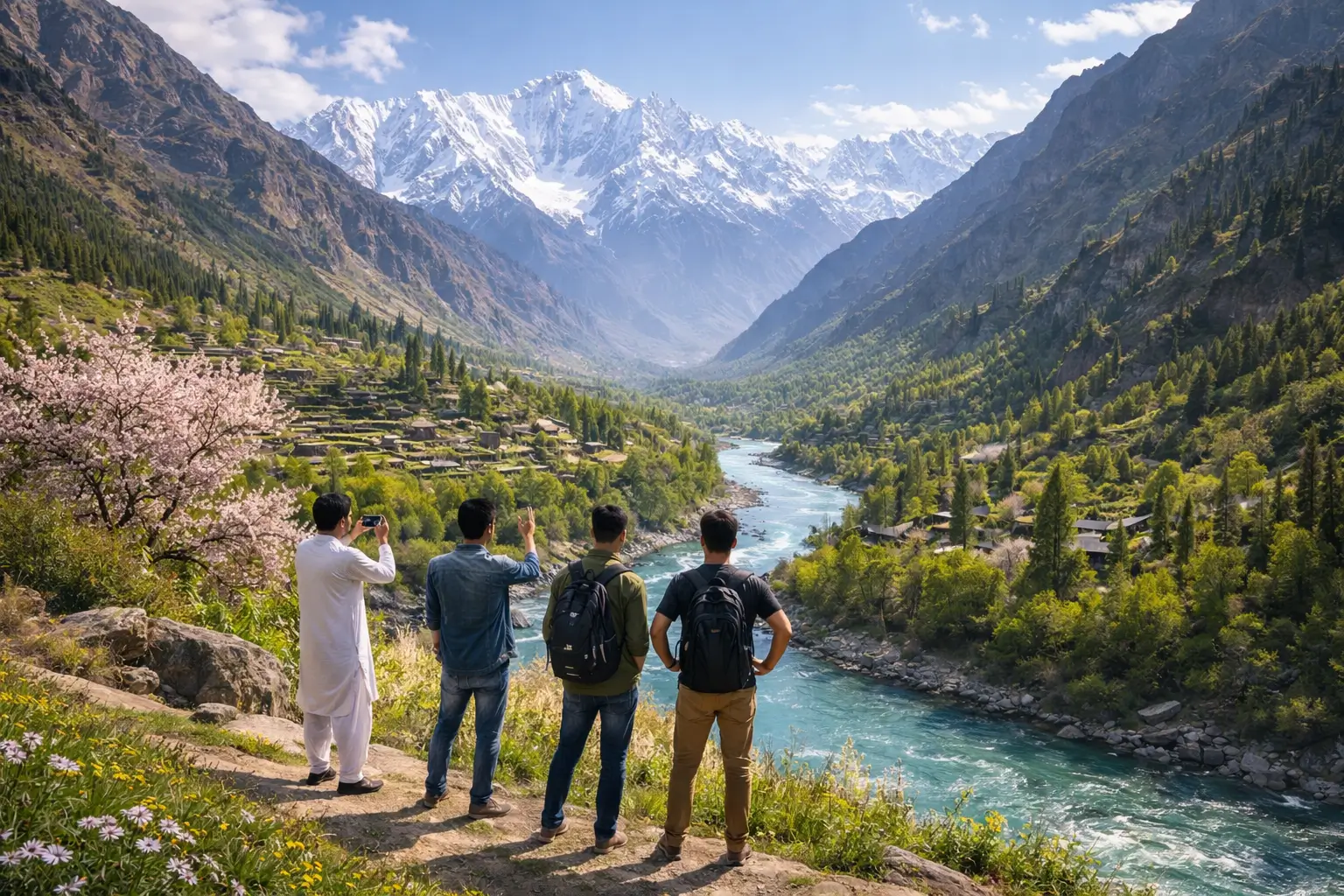
Pakistan’s northern regions are witnessing renewed tourism activity ahead of the spring travel season, signaling positive momentum for the country’s domestic travel industry. Popular destinations including Hunza Valley, Skardu, and Fairy Meadows are reporting increased booking trends as travelers prepare for seasonal visits.
Industry observers note that the early rise in travel activity reflects growing domestic interest in scenic destinations, adventure tourism, and eco-friendly travel experiences across Gilgit-Baltistan and surrounding mountainous regions.
Rising Domestic Travel Trends
Tour operators and hospitality stakeholders indicate a steady increase in reservations from families, student groups, and corporate travelers planning spring holidays. Hotels and guesthouses across major northern towns have begun preparations for higher occupancy rates, with several reporting advance bookings compared to previous off-season months.
The improvement in travel trends is attributed to:
- Enhanced road infrastructure and improved connectivity
- Growing digital promotion of travel destinations
- Increased social media visibility of northern landscapes
- Rising interest in eco-tourism and adventure activities
Improved access routes have played a significant role in facilitating smoother travel to mountainous areas, reducing logistical barriers that previously limited tourism growth.
Economic & Community Impact at Local Level
While tourism is often viewed through a national lens, its most direct impact is experienced at the community level. The increased flow of visitors is expected to generate income opportunities in:
- Hospitality and hotel services
- Local transport operations
- Tour guiding and trekking services
- Handicrafts and local retail markets
- Food and restaurant businesses
Local entrepreneurs, particularly in Hunza and Skardu, anticipate higher seasonal earnings due to the early momentum. Small guesthouses and family-run businesses benefit directly from domestic tourism expansion.
Eco-Tourism and Sustainable Travel Emphasis
Authorities and environmental stakeholders continue to emphasize responsible tourism practices to preserve the fragile mountain ecosystem. Northern Pakistan’s natural landscapes, glaciers, lakes, and valleys require sustainable visitor management to prevent environmental degradation.
Efforts are being made to promote:
- Waste management awareness
- Responsible trekking practices
- Conservation-focused tourism models
- Community-based tourism initiatives
Environmental experts stress that long-term tourism growth depends on maintaining ecological balance while supporting local livelihoods.
Strengthening Pakistan’s Global Image
Beyond economic and community benefits, the resurgence in northern tourism contributes to strengthening Pakistan’s international image as a scenic and adventure-rich destination. Travel photography, vlogs, and digital storytelling have amplified global awareness of the country’s landscapes.
The snow-capped peaks, alpine lakes, and historical forts of Gilgit-Baltistan continue to attract attention from international travel communities, positioning Pakistan among emerging tourism destinations in South Asia.
Infrastructure Development Supporting Tourism Growth
Recent improvements in road networks, hospitality services, and telecommunications connectivity have enhanced the overall travel experience. Access to internet services in remote regions has enabled:
- Online hotel bookings
- Digital payments
- Real-time travel updates
- Promotion by local businesses
These developments support long-term tourism sustainability and attract younger, digitally connected travelers.
Seasonal Outlook for 2026
With spring approaching, tourism stakeholders remain cautiously optimistic. If weather conditions remain favorable and infrastructure services operate smoothly, the 2026 travel season could surpass previous domestic tourism levels.
Experts highlight the importance of:
- Safety and emergency response readiness
- Environmental protection measures
- Visitor awareness campaigns
- Continued infrastructure upgrades
Sustained policy support and coordinated efforts between provincial authorities and tourism departments will be key to maintaining growth momentum.
Conclusion
The rising tourism activity in northern Pakistan signals a positive development for the country’s travel sector. As destinations such as Hunza Valley, Skardu, and Fairy Meadows witness growing visitor interest, the opportunity to strengthen community income, promote environmental awareness, and enhance Pakistan’s scenic global image continues to expand.
If managed responsibly, the ongoing tourism momentum can contribute to long-term sustainable development in the region.
