
Pakistan’s Automobile Industry Enters a New Growth Phase
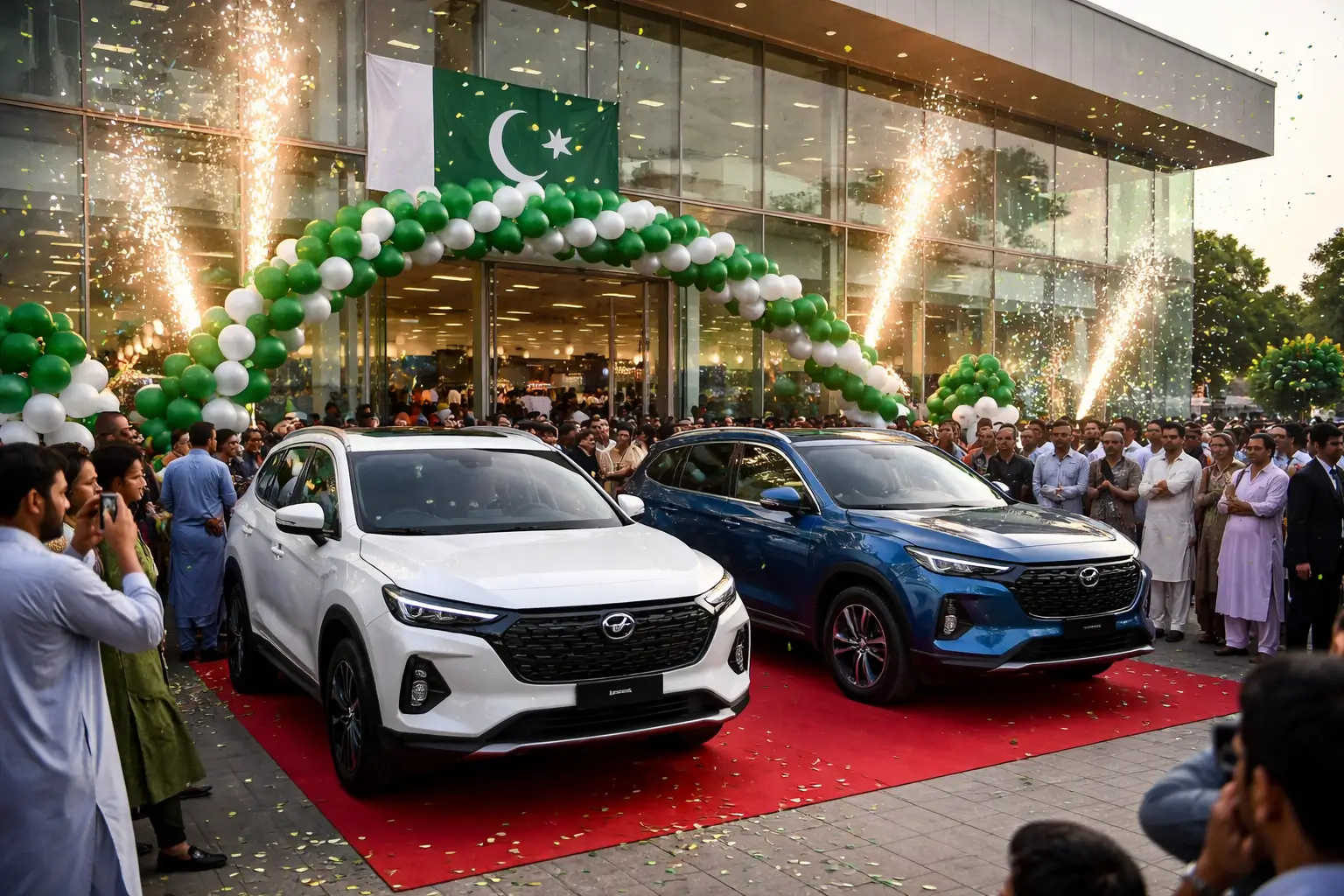
Pakistan’s automobile sector is witnessing a significant transformation in 2026, with the Sports Utility Vehicle (SUV) segment emerging as the fastest-growing category in the country. Increasing consumer preference for crossover and compact SUVs, expansion in local assembly operations, and rising investment by global automotive brands are reshaping the market landscape.
Industry analysts report that SUVs now account for a larger share of new vehicle bookings compared to traditional sedans, reflecting changing urban lifestyles and buyer priorities across major cities including Lahore, Karachi, and Islamabad.
Rising Demand for SUVs in Pakistan
Several key factors are driving the rapid growth of the SUV segment:
1. Shift in Consumer Preferences
Pakistani buyers are increasingly opting for SUVs due to:
- Higher ground clearance suitable for road conditions
- Enhanced safety features
- Spacious interiors for families
- Modern infotainment and technology integration
Compact and crossover SUVs have become especially popular among middle-income urban households.
Major Automotive Players Expanding SUV Production
Leading automobile manufacturers operating in Pakistan have strengthened their SUV portfolios in recent years.
- Toyota continues to see strong demand for its SUV lineup assembled locally through its Pakistani operations.
- Honda has expanded its crossover offerings targeting urban consumers.
- Kia and Hyundai have significantly increased production capacity to meet booking volumes.
- Chinese brands such as Changan and MG Motor are also strengthening their presence in Pakistan’s growing SUV market.
The introduction of new variants, improved localization, and competitive pricing strategies have contributed to sustained momentum.
Growth of Hybrid and Fuel-Efficient SUVs
One of the most important trends shaping Pakistan’s SUV market in 2026 is the growing demand for hybrid models. With rising fuel prices and increased awareness about environmental sustainability, hybrid SUVs are gaining traction among consumers seeking long-term fuel savings.
Automakers are investing in localized hybrid assembly to reduce costs and make eco-friendly vehicles more accessible to Pakistani buyers.
This shift aligns with Pakistan’s broader goals of reducing fuel imports and promoting cleaner mobility solutions.
Impact on Pakistan’s Economy
The expansion of SUV production has broader economic implications:
Industrial Growth
Increased local assembly has:
- Strengthened vendor networks
- Boosted parts manufacturing
- Enhanced technology transfer
Job Creation
The automobile sector continues to generate employment opportunities across:
- Manufacturing plants
- Dealership networks
- After-sales services
- Auto parts supply chains
Investor Confidence
The rising demand signals improving consumer confidence and economic stability, encouraging further foreign direct investment (FDI) in Pakistan’s auto sector.
Government Policies Supporting the Auto Sector
Pakistan’s auto industry has benefited from policy frameworks aimed at encouraging localization and attracting new entrants. Incentives for new energy vehicles and relaxed import policies for parts have supported production continuity and diversification.
Industry experts believe that consistent policy implementation will be critical for sustaining growth momentum in the SUV category.
Future Outlook: Continued Expansion Expected
Market forecasts suggest that Pakistan’s SUV segment will continue to expand through 2026 and beyond. With increasing urbanization, infrastructure development, and rising middle-class purchasing power, SUVs are expected to dominate new vehicle sales in the coming years.
Hybrid and potentially electric SUV introductions may further accelerate the transition toward modern, efficient mobility in Pakistan.
Conclusion
The strong performance of Pakistan’s SUV market in 2026 reflects a broader transformation within the country’s automobile industry. Growing consumer demand, expanding local production, rising hybrid adoption, and increased foreign investment are collectively shaping a positive trajectory.
As automakers scale operations and introduce innovative models, Pakistan’s SUV segment is set to remain a key driver of industrial growth and economic optimism.
