
Islamabad – February 2026
The Ministry of Overseas Pakistanis and Human Resource Development has proposed a Rs39.76 million project aimed at strengthening Occupational Safety and Health (OSH) standards across Pakistan, particularly in high-risk and export-focused industries.
Titled “Capacity Building of Workers/Employees Regarding Occupational Safety and Health,” the initiative is designed to enhance workplace safety awareness, reduce industrial accidents, and align local practices with international labour standards.
The project is scheduled to run for two years, from July 2026 to June 2028.
Key Objectives of the OSH Project
The proposed initiative has two main objectives:
Direct Worker Training
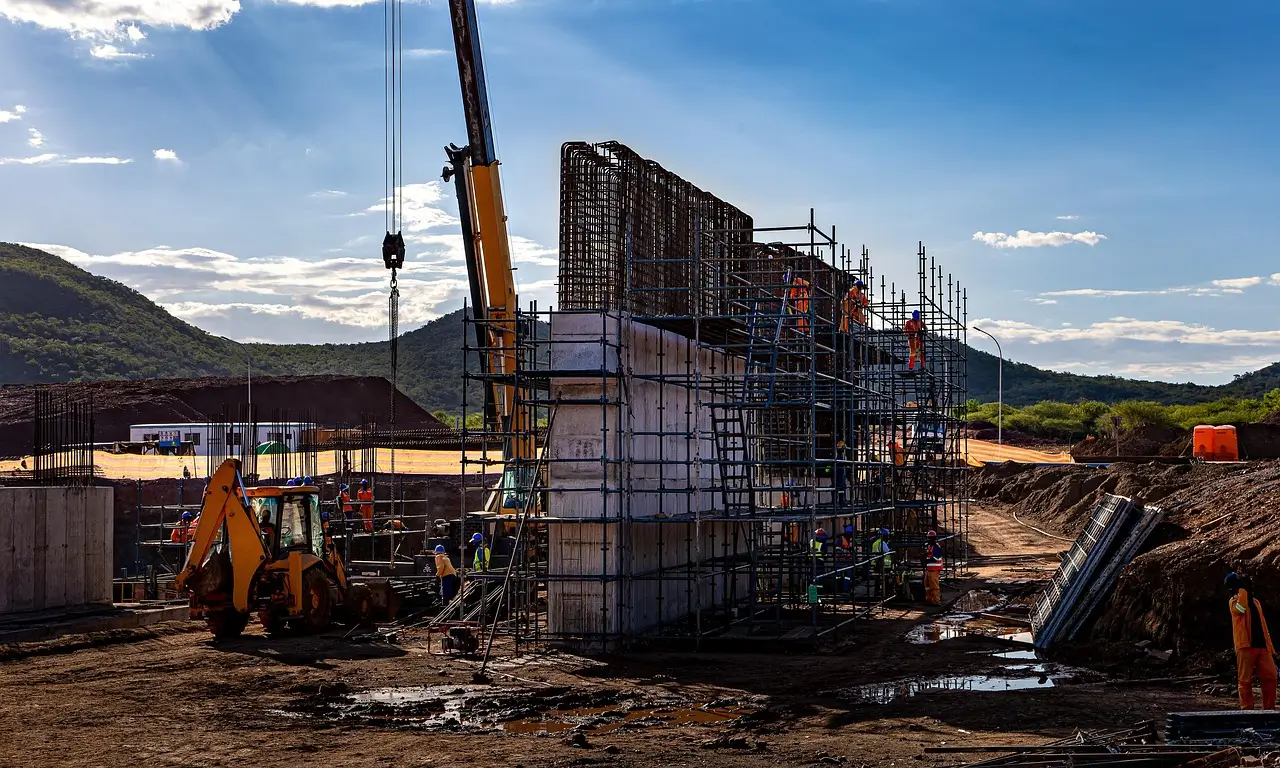
A total of 3,920 workers will receive structured Occupational Safety and Health training. The focus will be on sectors considered high-risk, including manufacturing, construction, and export-oriented industries.
The training will equip workers with practical knowledge about:
- Hazard identification
- Risk prevention techniques
- Emergency response procedures
- Safe equipment handling
- Workplace compliance standards
Development of Master Trainers
To ensure long-term sustainability, the project will also develop six master trainers and instructors. These trainers will continue delivering OSH education beyond the project’s initial duration, creating a multiplier effect in knowledge sharing.
This approach supports institutional capacity building rather than one-time training sessions.
Importance for High-Risk and Export Sectors
Occupational Safety and Health compliance has become increasingly important for export industries, especially those dealing with international buyers who require adherence to global safety standards.
Improved OSH practices can:
- Reduce workplace injuries
- Improve productivity
- Enhance worker morale
- Strengthen Pakistan’s export credibility
- Increase compliance with international labour regulations
By targeting export-focused industries, the initiative supports Pakistan’s broader economic development strategy.
Broader Economic and Social Impact
Workplace safety is directly linked to sustainable economic growth. Safer environments reduce compensation costs, prevent production disruptions, and improve workforce stability.
The proposed project reflects the government’s emphasis on:
- Labour protection
- Human resource development
- Skill enhancement
- Industrial modernization
If implemented effectively, the initiative could serve as a model for expanding OSH frameworks nationwide.
Future Outlook
With a structured two-year timeline, the project aims to lay the foundation for improved occupational safety standards across Pakistan. The development of master trainers ensures that training programs continue beyond the initial funding period.
As Pakistan seeks to modernize its industrial base and strengthen its export competitiveness, improved workplace safety remains a key component of long-term sustainable development.
