

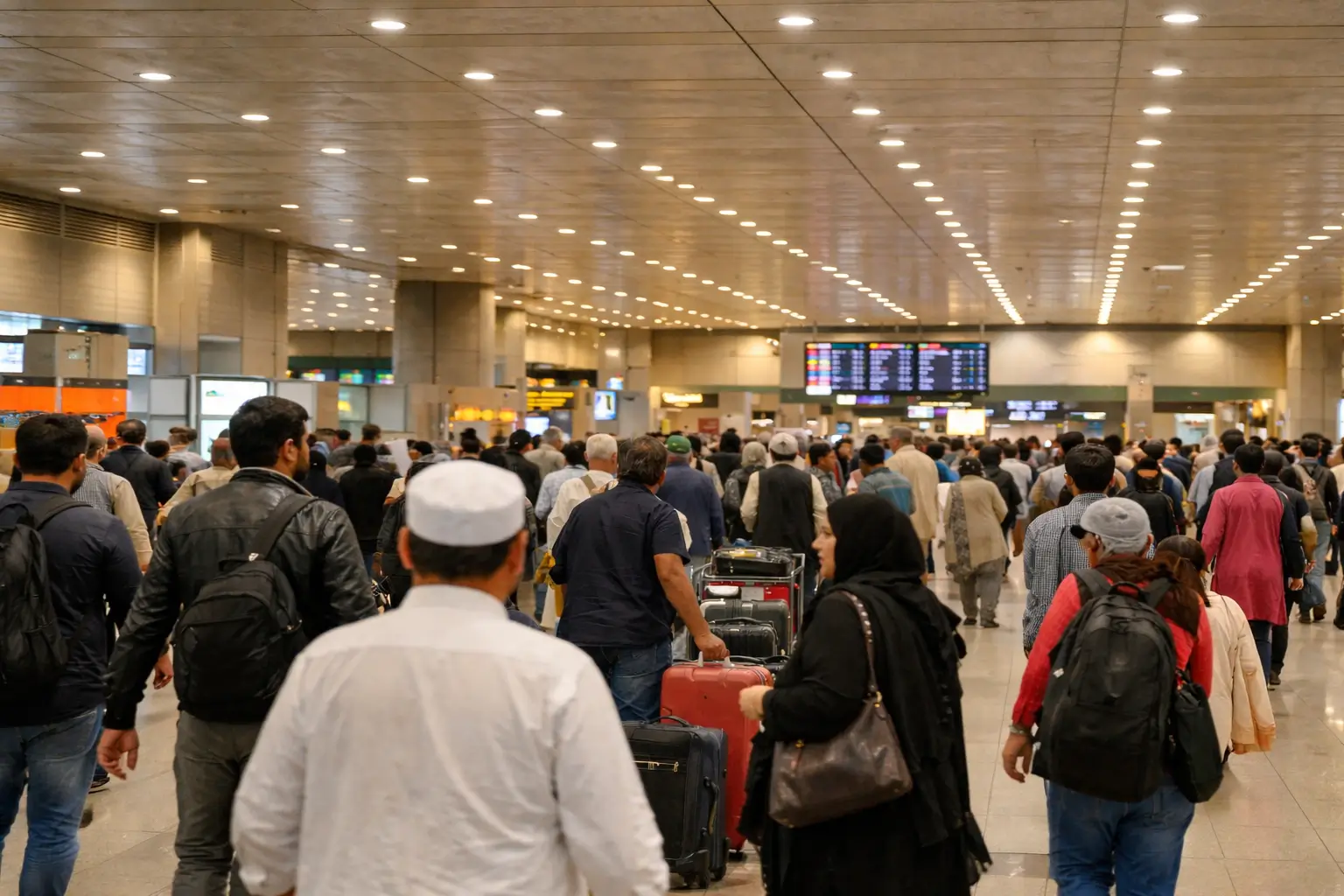
Overseas Pakistanis Remain a Pillar of Economic Stability
In 2026, overseas Pakistanis continue to play a decisive and stabilizing role in Pakistan’s economic framework. Through consistent remittance inflows, real estate investments, business participation, and financial sector engagement, the Pakistani diaspora remains one of the strongest external pillars of the national economy.
According to trends monitored by the State Bank of Pakistan, remittances remain a key contributor to Pakistan’s foreign exchange reserves, helping stabilize the balance of payments and support macroeconomic resilience.
At a time when global markets remain volatile, overseas Pakistanis provide a reliable and comparatively stable inflow of foreign currency.
Remittances: A Critical Component of Pakistan’s External Account
Remittances represent one of Pakistan’s largest sources of foreign exchange earnings, alongside exports. These inflows help finance imports, reduce current account pressure, and strengthen the country’s reserve position.
Why Remittances Matter for Economic Stability
- Foreign Exchange Support
Remittances directly increase foreign currency reserves, helping manage exchange rate fluctuations. - Reduced External Borrowing Pressure
Stable inflows reduce reliance on short-term external financing. - Currency Stabilization
Strong inflows improve dollar liquidity, easing depreciation pressure on the rupee. - Balance of Payments Cushion
Remittances act as a buffer during global commodity price fluctuations.
The consistency of these inflows makes them less volatile than portfolio investments or short-term capital movements.
Geographic Distribution of Overseas Contributions
Pakistani expatriates across several regions continue to send substantial remittances home:
- Gulf Cooperation Council (GCC) countries
- United Kingdom
- European Union states
- United States
- Canada
The Middle East remains the largest contributor due to a high concentration of Pakistani labor and skilled professionals.
Economic Multiplier Effect Inside Pakistan
Remittances do not only strengthen foreign reserves — they also create domestic economic activity.
Household Welfare & Consumption
Funds sent by overseas Pakistanis increase purchasing power, driving retail, healthcare, and education spending.
Real Estate & Construction Sector
Property investment by overseas Pakistanis significantly contributes to housing demand and construction activity.
Small and Medium Enterprises (SMEs)
Many remittance recipients invest in small businesses, creating employment opportunities and expanding local production.
Banking Sector Growth
Higher deposit volumes enhance liquidity within financial institutions, supporting lending capacity.
This multiplier effect spreads financial impact across multiple layers of the economy.
Shift Toward Formal Digital Channels
In recent years, remittance flows have increasingly shifted toward regulated banking and digital platforms. Initiatives supported by the State Bank of Pakistan have encouraged:
- Mobile banking adoption
- Secure digital transfer platforms
- Reduced transaction costs
- Crackdown on informal transfer systems
The growing use of formal channels strengthens transparency and improves official reserve accounting.
Beyond Remittances: Investment & Capital Market Participation
Overseas Pakistanis are increasingly participating in:
- Real estate projects
- Government savings instruments
- Digital banking initiatives
- Capital market investments
Financial products targeting the diaspora have expanded in recent years, offering structured investment options and improving engagement with Pakistan’s formal economy.
Long-Term Strategic Importance of the Diaspora
The Pakistani diaspora represents more than a financial inflow source — it represents:
- Global professional networks
- Knowledge transfer
- Skill development potential
- International trade facilitation
Skilled professionals abroad often act as bridges for business partnerships and foreign investment opportunities.
Policy Support & Future Outlook
Sustaining remittance momentum requires:
- Continued financial transparency
- Labor export policy improvements
- Skill alignment with global demand
- Strengthened digital infrastructure
If global employment markets remain stable and policy consistency continues, remittances are expected to remain a dependable pillar of Pakistan’s economic resilience in 2026 and beyond.
Conclusion: Overseas Pakistanis as Economic Backbone
In 2026, overseas Pakistanis remain one of Pakistan’s strongest economic assets. Through steady remittances, domestic investment, and global representation, the diaspora continues to provide financial stability and long-term growth support.
As Pakistan advances toward economic modernization, the role of overseas Pakistanis will remain central in shaping financial resilience and national development.
