

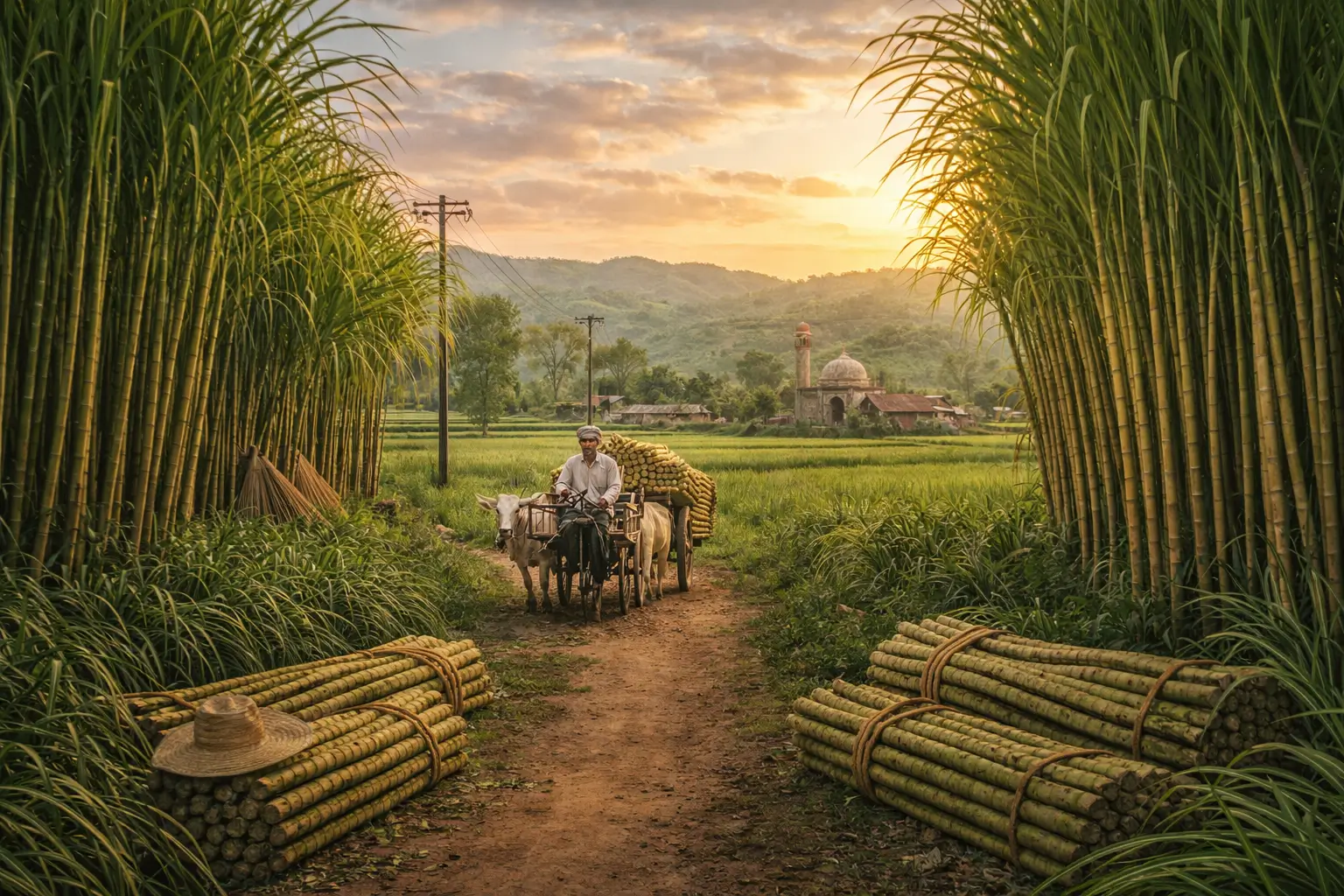
Pakistan’s agriculture sector is witnessing a promising development with the introduction of a new sugarcane variety, J16-639, designed to deliver higher yields while addressing the growing challenges of climate change and crop diseases.
The variety has been introduced by prominent agriculturist and business figure Jahangir Khan Tareen after years of research conducted at the facilities of JDW Group. The development is being seen as a significant step forward for the country’s sugarcane industry, which plays a vital role in Pakistan’s agricultural economy.
Strong Yield Potential
J16-639 originated from a 2016 breeding cycle and is currently undergoing farm-level testing. Early results from trials in Punjab and Sindh indicate that the variety can produce yields exceeding 1,100 maunds per acre, a substantial improvement compared to many traditional sugarcane varieties.
In addition to higher output, the crop has demonstrated improved sugar recovery rates of up to 11.5%, which could enhance efficiency for sugar mills and increase profitability for farmers.
Built for Climate Challenges
One of the most notable features of J16-639 is its climate-smart profile. As Pakistan faces increasing weather variability, including water shortages and extreme temperatures, this new variety offers:
- Strong drought tolerance
- Adaptability to challenging soil conditions
- Stable performance under unpredictable climates
These characteristics make it particularly valuable for farmers dealing with the impacts of climate change.
Resistance to Major Diseases
J16-639 has also shown resistance to several major sugarcane diseases that have historically affected crop productivity in Pakistan, including:
- Red rot
- Whip smut
- White leaf disease
This resistance can significantly reduce crop losses and lower the need for costly disease management practices.
Improved Farm Efficiency
Field observations suggest that the variety maintains strong structural stability, reducing the risk of lodging (when crops fall over), which can damage yield and quality.
It also delivers consistent ratoon performance, allowing farmers to harvest multiple crop cycles from a single planting, ultimately improving long-term returns and reducing input costs.
Future Outlook for the Industry
Experts believe that the introduction of J16-639 could positively impact both farm productivity and sugar industry efficiency across Pakistan. With further testing and gradual adoption, the variety is expected to enter commercial crushing cycles in major sugar mills by 2027.
As the country continues to prioritize agricultural innovation, locally developed solutions like J16-639 highlight the potential of research-driven advancements in strengthening food security and supporting farmers.
The success of this variety could mark the beginning of a new phase in Pakistan’s agricultural developmentone that is more resilient, efficient, and prepared for the challenges of the future.
