
A Major Relief for Pakistan’s Trade and Energy Security
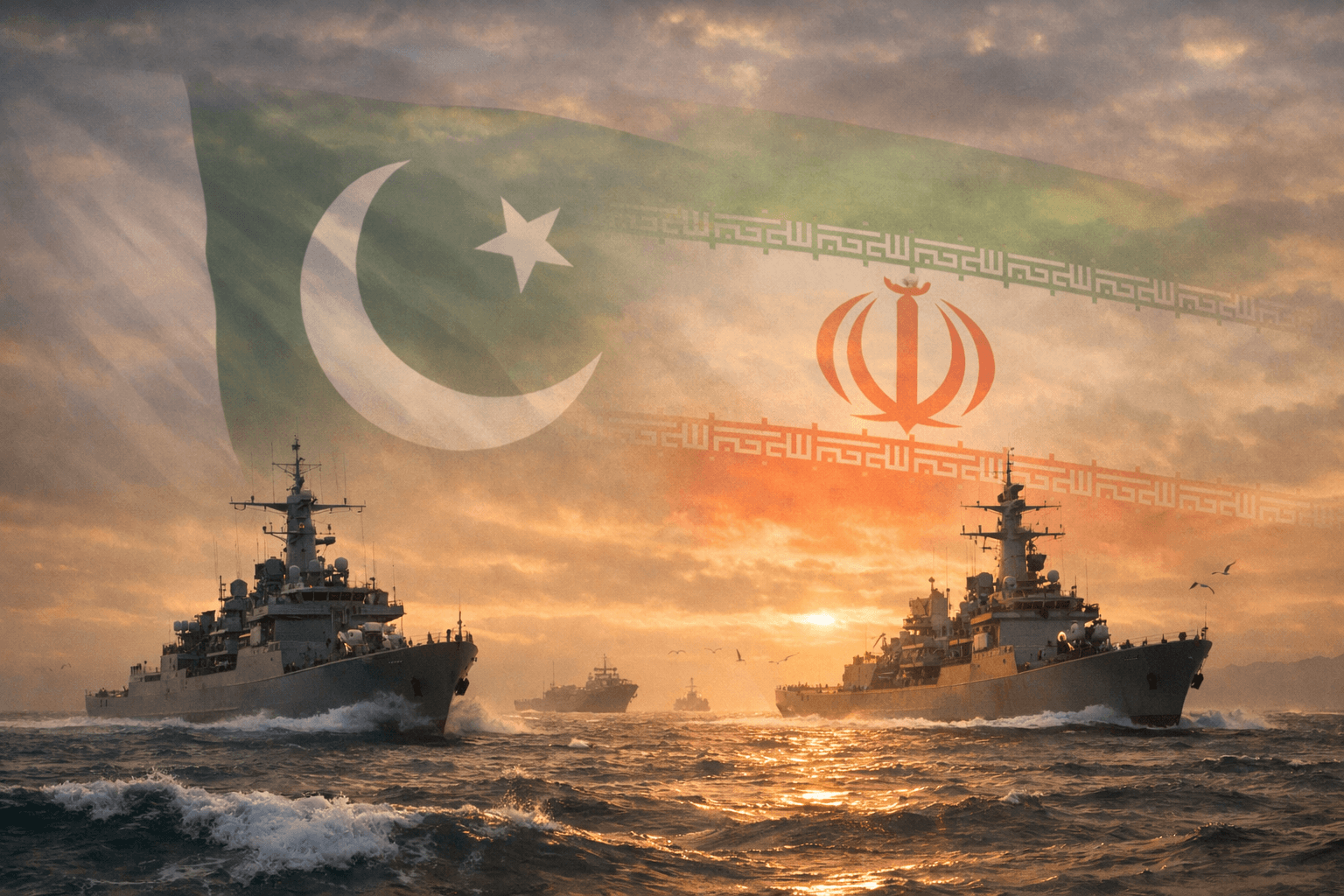
In a crucial development for regional trade and energy stability, the Strait of Hormuz has been confirmed open for Pakistani vessels, as Iran reassured safe and uninterrupted passage amid ongoing geopolitical tensions in the region.
This announcement comes at a time when global markets remain sensitive to developments in the Middle East. Any disruption in this narrow yet vital waterway can trigger widespread economic consequences, particularly for countries like Pakistan that rely heavily on imported energy resources.
Strategic Importance of the Strait of Hormuz
The Strait of Hormuz is one of the most critical maritime chokepoints in the world. Located between the Persian Gulf and the Gulf of Oman, it serves as the primary route for oil exports from major producers such as Saudi Arabia, the United Arab Emirates, Kuwait, and Iraq.
Roughly 20% of the world’s oil supply passes through this narrow passage daily. Because of this, even minor disruptions can lead to sharp fluctuations in global oil prices and impact economies worldwide.
For Pakistan, the importance of the Strait is even more pronounced. The country imports a significant portion of its crude oil and petroleum products from Gulf nations, all of which depend on this route for exports. Any blockage or restriction would directly affect fuel availability, transportation costs, and overall economic stability.
Iran’s Assurance: A Positive Diplomatic Signal
Iran’s confirmation of safe passage for Pakistani vessels is being seen as a constructive diplomatic gesture. Despite heightened tensions in the broader region, this assurance indicates a willingness to maintain functional trade routes and avoid economic disruption.
By ensuring that Pakistani ships can safely transit through the Strait, Iran has helped ease immediate concerns regarding supply chain interruptions. This move also reflects the importance of bilateral relations and mutual economic interests between the two neighboring countries.
Analysts suggest that such assurances play a key role in maintaining regional stability, particularly when global markets are already facing uncertainty due to geopolitical challenges.
Impact on Pakistan’s Economy
The continued accessibility of the Strait of Hormuz holds significant economic implications for Pakistan:
1. Stable Oil Supply
Pakistan’s energy sector is heavily dependent on imported fuel. Safe passage ensures uninterrupted oil shipments, preventing shortages and stabilizing domestic fuel prices.
2. Controlled Inflation
Fuel prices directly influence transportation and production costs. By avoiding supply disruptions, Pakistan can better manage inflationary pressures.
3. Trade Continuity
Apart from oil, a large portion of Pakistan’s imports and exports move through maritime routes connected to the Strait. Keeping it open ensures smooth trade operations.
4. Investor Confidence
Stability in critical trade routes sends a positive signal to investors and international markets, reinforcing confidence in Pakistan’s economic outlook.
Global Implications
The situation in the Strait of Hormuz is not just a regional issue—it has global consequences. Energy markets worldwide closely monitor developments in this area, as any threat to the flow of oil can lead to price spikes affecting industries and consumers alike.
Iran’s assurance contributes to calming market fears and maintaining a sense of stability in global trade networks. It also highlights the importance of diplomatic communication in preventing economic disruptions.
Looking Ahead
While the confirmation of safe passage is a positive development, experts emphasize the need for continued vigilance and diplomatic engagement. The Strait of Hormuz will remain a sensitive and strategically significant region, requiring cooperation among regional and global stakeholders.
For Pakistan, maintaining strong diplomatic ties and ensuring diversified energy strategies will be key to long-term resilience. Investments in alternative energy sources and regional connectivity projects can further reduce dependency on single routes in the future.
Conclusion
Iran’s confirmation that the Strait of Hormuz remains open for Pakistani vessels brings much-needed relief at a critical time. It ensures continuity in oil supply, stabilizes trade routes, and reinforces regional cooperation.
As global uncertainties persist, such developments serve as a reminder of the importance of strategic diplomacy and secure trade corridors in sustaining economic growth and stability for countries like Pakistan.
