

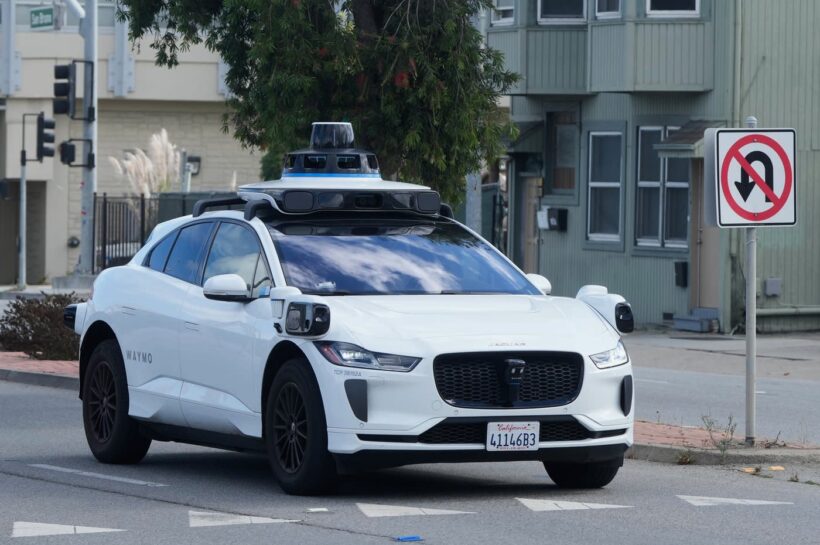
Pakistan has taken a major step into the future of mobility after engineers at the National Centre for Artificial Intelligence (NCAI) at NED University successfully tested the country’s first AI-powered driverless car. The autonomous vehicle completed its trial run on the university’s internal roads, attracting significant attention from students, faculty members, and visitors.
The project, developed over the course of a year, involves converting a commercially imported electric vehicle into a fully autonomous system. Engineers achieved this by integrating artificial intelligence, robotics, high-resolution sensors, mapping tools, and computer vision technologies.
Dr Muhammad Khurram, Director of NCAI at NED University and head of the project, confirmed that the vehicle has reached a mature testing stage after continuous development. He explained that the team built an automated steering system using radar and vision-based controls, while ongoing work focuses on object detection, lane identification, speed-limit recognition, and traffic signal interpretation.
The car currently operates at a speed of 15 to 20 km/h and can turn independently while assessing oncoming vehicles. According to team member Inzamam Khan, the system is capable of navigating Pakistan’s challenging road conditions, including potholes and uneven terrain, due to its advanced sensing capabilities.
The initiative began during the tenure of former Vice Chancellor Dr Saroosh Hashmat Lodhi and has progressed significantly under current Vice Chancellor Dr Tufail Ahmed. University officials noted that the successful test reflects Pakistan’s growing potential in artificial intelligence, engineering innovation, and intelligent transportation systems.
The project marks a historic milestone for the country’s technological development and signals early momentum toward locally developed autonomous mobility solutions.
