

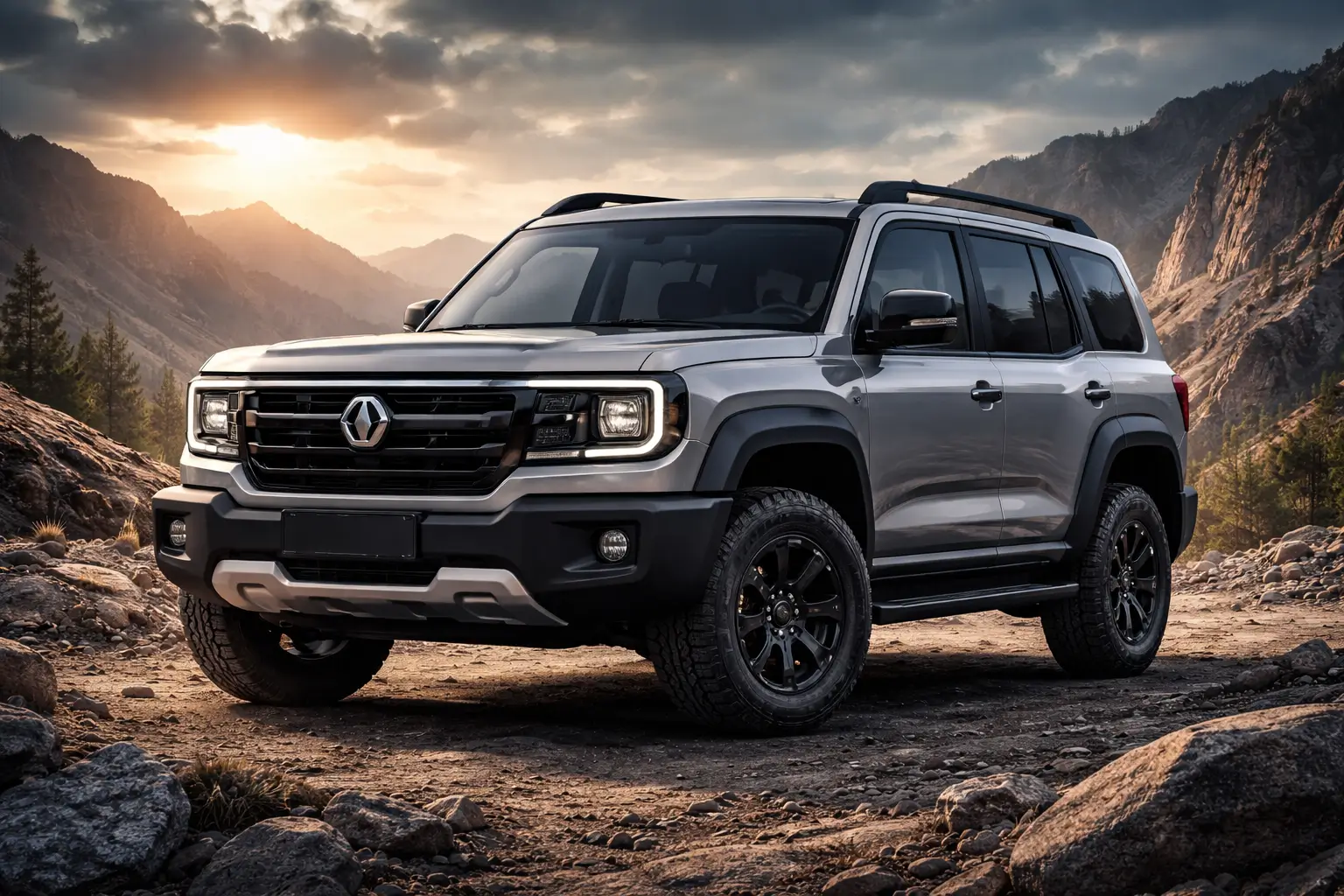
Pakistan’s electric vehicle (EV) market is gradually entering a new phase, driven by increasing competition and a clear shift toward affordability. The latest development comes as Chawla Green Motors introduces a lower-priced variant of the Dongfeng Box lineup, aiming to make electric mobility more accessible for consumers across Pakistan.
The newly launched Dongfeng Box Smart 330 is positioned as the most affordable variant in the lineup, priced at Rs. 5.5 million. It offers a claimed driving range of 330 kilometers on a single charge, making it a practical option for daily commuting, especially in urban areas. While it comes with a lower range compared to the 430 km variants, the significant price reduction of Rs. 9 lacs makes it an attractive alternative for buyers looking to enter the EV market at a lower cost.
With this addition, the Dongfeng Box lineup now includes three variants:
- Box Flagship 430 priced at Rs. 6.8 million
- Box Lux 430 priced at Rs. 6.4 million
- Box Smart 330 priced at Rs. 5.5 million
This expansion reflects a broader trend in Pakistan’s auto industry, where companies are beginning to focus on affordability rather than just premium offerings. As economic pressures and fuel prices continue to impact consumers, demand for cost-effective mobility solutions is steadily rising.
At the same time, competition in the entry-level EV segment is intensifying. Capital Smart Motors has recently introduced the JMEV EV3, further strengthening options available to buyers. Priced below Rs. 5 million, the EV3 is offered in two variants and delivers a claimed range of 271 kilometers on a 30 kWh battery.
Despite its lower price point, the EV3 includes a range of modern features such as a large infotainment system, safety technologies, and driver assistance functions. This indicates that automakers are not only competing on price but also on features and overall value.
The growing presence of multiple EV options highlights an important shift in the market. Previously, electric vehicles in Pakistan were largely seen as expensive and limited in availability. However, the entry of more competitively priced models is gradually changing consumer perception.
Industry experts believe that this trend could accelerate EV adoption in the coming years. As more companies introduce affordable models, economies of scale may help bring prices down further, while improvements in infrastructure such as charging stations could make EV ownership more convenient.
For Pakistan, this transition holds long-term significance. Reducing reliance on fossil fuels, lowering emissions, and promoting sustainable transport are key goals that align with the expansion of the EV sector. At the same time, a growing EV market could create new opportunities for local investment, innovation, and job creation.
While challenges such as charging infrastructure and initial costs still remain, the direction is clear. With increasing competition and a focus on affordability, Pakistan’s electric vehicle market is steadily moving toward a more accessible and sustainable future.

