

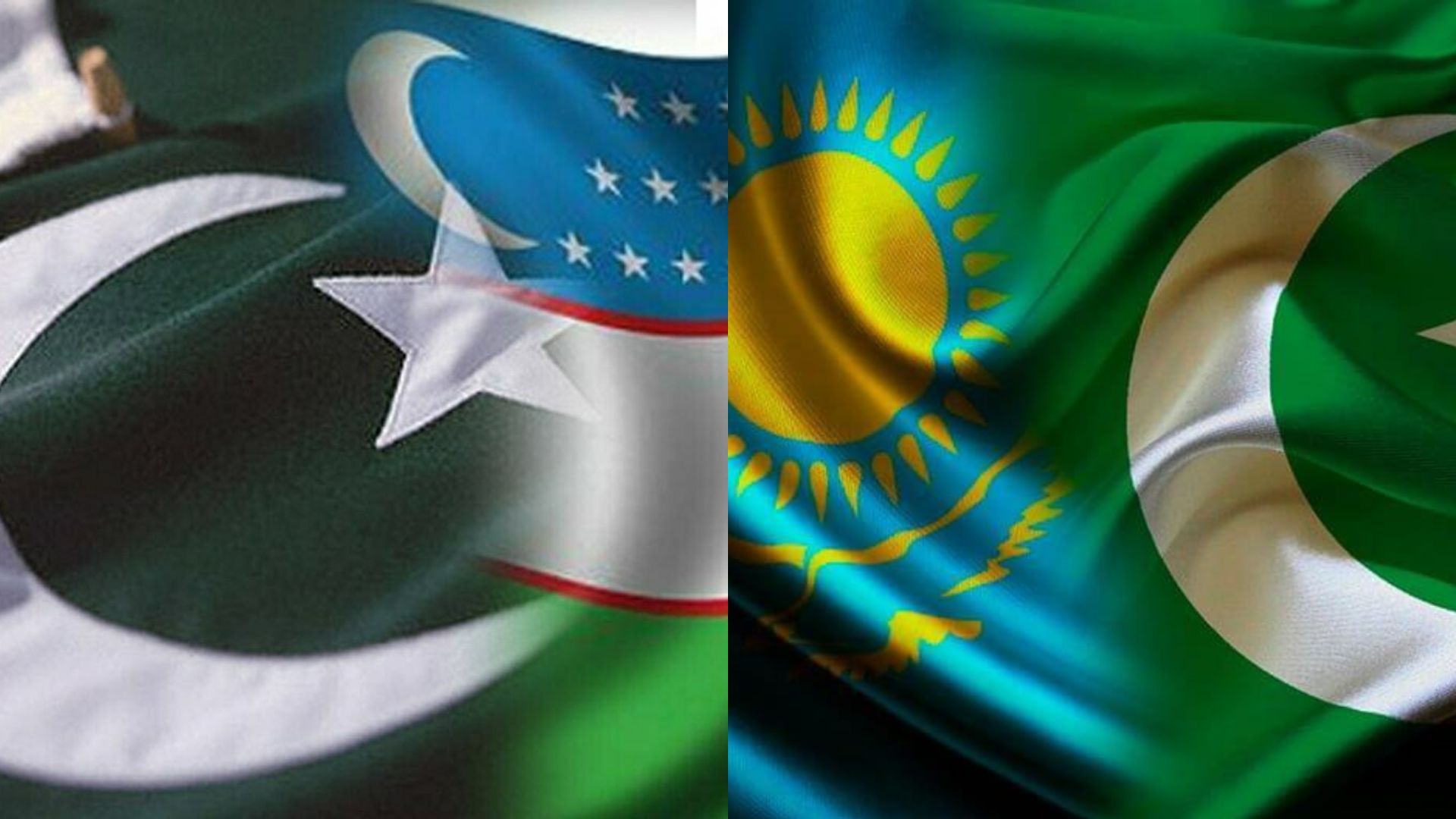
In a significant diplomatic milestone, Pakistan hosted back-to-back state visits from two of Central Asia’s most influential leaders in early February 2026. The Presidents of Uzbekistan and Kazakhstan both made official trips to Islamabad, signaling a new chapter in Pakistan’s engagement with the broader region and underlining the growing strategic importance of South-Central Asian connectivity.
Uzbekistan Visit: Trade, Industry, and the Railway That Could Change Everything
The visit by Uzbekistan’s President marked one of the most substantive bilateral exchanges between the two countries in recent memory. At its heart was a shared economic ambition: both sides reaffirmed their commitment to increasing bilateral trade to USD 2 billion by 2029 — a target that would require sustained investment, simplified trade corridors, and coordinated industrial policy.
To that end, the two governments agreed to establish joint industrial zones, a practical step toward deepening economic integration. These zones are expected to attract investment, create employment, and facilitate the transfer of technology and expertise between the two nations. For Pakistan, such zones represent an opportunity to diversify its manufacturing base. For Uzbekistan, they offer a pathway to markets in South Asia and beyond.
Perhaps the most consequential announcement to emerge from the visit, however, was the reaffirmation of the Uzbekistan–Afghanistan–Pakistan (UAP) Railway Project as a key connectivity initiative. This ambitious infrastructure project, long discussed but now gaining renewed political momentum, would link Uzbekistan’s landlocked territory through Afghanistan and into Pakistan, ultimately providing Central Asian nations with access to Pakistani seaports — and therefore to global shipping lanes.
If realized, the UAP Railway would be transformative. It would dramatically reduce the cost and time of moving goods between Central Asia and international markets, while simultaneously boosting transit revenues for Pakistan and stimulating economic activity along the entire corridor. The railway has the potential to redefine regional trade geography, making Pakistan a genuine hub at the crossroads of Central and South Asia.
Kazakhstan Visit: A Strategic Partnership Takes Shape
The visit by Kazakhstan’s President carried its own diplomatic weight. The headline outcome was the signing of a Joint Declaration on Establishing a Strategic Partnership between the two countries — a formal elevation of bilateral ties that lays the groundwork for deeper cooperation across multiple sectors.
Strategic partnerships of this nature typically serve as frameworks for structured engagement in areas such as trade and investment, defense and security cooperation, education and cultural exchange, and coordination on multilateral platforms. For Pakistan and Kazakhstan, the declaration reflects growing mutual interest in one another’s markets and geopolitical alignment.
Kazakhstan, as Central Asia’s largest economy and a significant energy and commodity producer, represents a valuable partner for Pakistan. Meanwhile, Pakistan’s geographic position — offering potential overland and maritime access — makes it an attractive partner for Kazakhstan as it seeks to diversify its trade routes and reduce dependence on traditional corridors.
Why These Visits Matter
Taken together, these two state visits reflect a broader strategic logic: Pakistan is increasingly positioning itself as a pivotal link between South Asia and Central Asia. With the China-Pakistan Economic Corridor (CPEC) already reshaping Pakistan’s infrastructure landscape, the addition of a Central Asian connectivity dimension adds another layer of regional relevance.
For Central Asian states, Pakistan offers something genuinely valuable — access to warm-water ports. For Pakistan, deeper ties with Uzbekistan and Kazakhstan mean new markets, investment flows, and a stronger voice in regional affairs.
The early weeks of February 2026 may well be remembered as a turning point — the moment when Pakistan’s Central Asian pivot moved from aspiration to institutional reality.
