

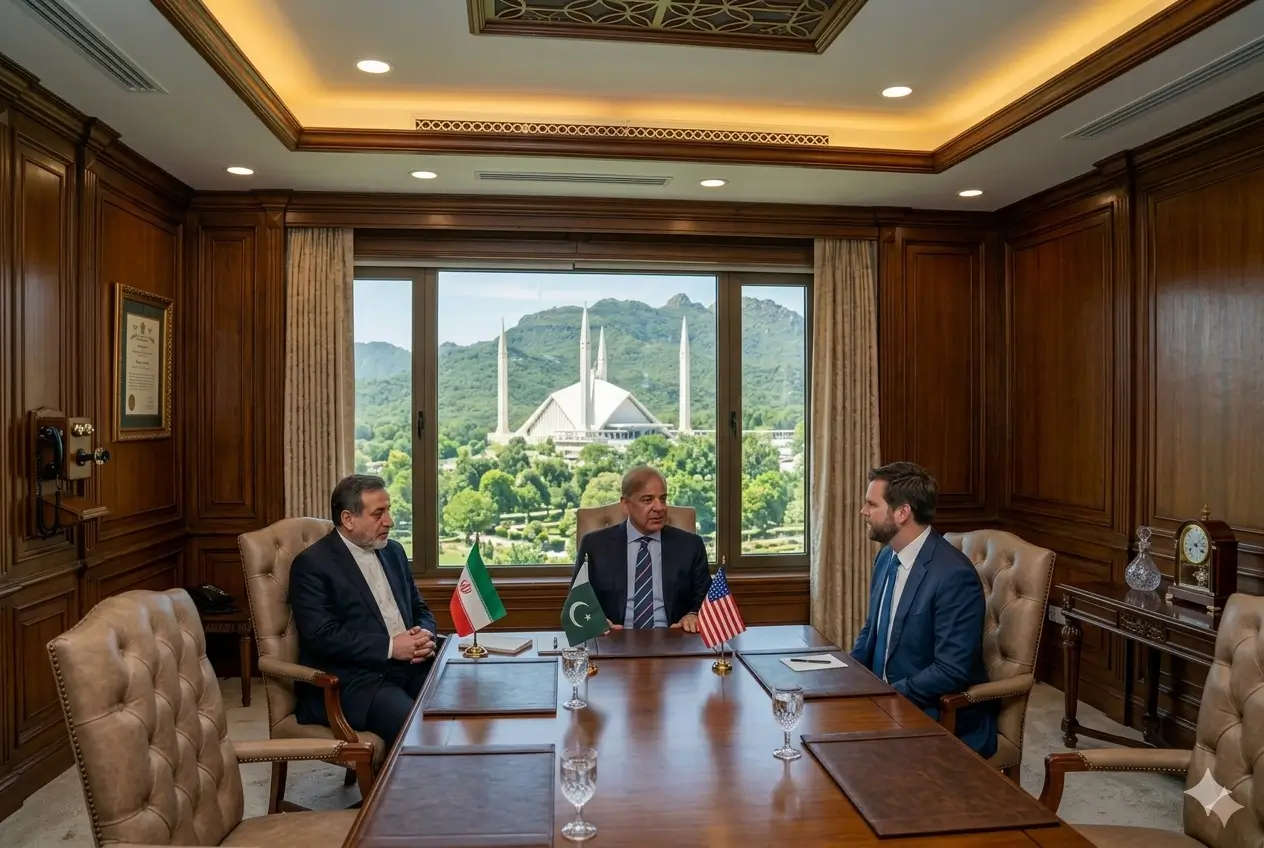
This Saturday, Islamabad will host high-level delegations from the United States and Iran for discussions aimed at promoting dialogue, cooperation, and regional harmony. The event highlights Pakistan’s growing role as a facilitator of international diplomacy and a trusted venue for constructive engagement between global powers.
The US delegation will be led by JD Vance, reflecting Washington’s interest in productive and forward-looking dialogue. Iran is expected to send senior officials, including Abbas Araghchi and Mohammad Baqer Qalibaf, signaling Tehran’s commitment to meaningful engagement. Both sides are expected to focus on areas of mutual interest, with the goal of strengthening communication and collaboration while fostering a positive environment for regional stability.
Why Islamabad and Pakistan Matter
Islamabad’s selection as the venue underscores Pakistan’s strategic importance in global diplomacy. Geographically, Pakistan sits at the crossroads of South Asia, Central Asia, and the Middle East, giving it a unique role in connecting different regions. Its proximity to countries like Iran, Afghanistan, and China makes it an ideal hub for international discussions.
Beyond geography, Pakistan has historically maintained balanced relations with multiple global powers, including the United States, China, and Gulf countries. This ability to engage constructively with diverse nations makes Pakistan a natural host for dialogue that requires trust, neutrality, and reliability.
Experts also highlight Pakistan’s experience in facilitating peace and regional dialogue, including past mediation roles in South Asia and the Middle East. This legacy of diplomatic engagement has helped establish Pakistan as a credible and respected venue for international negotiations.
Focus of the Talks
While the full agenda remains confidential, it is expected that the discussions will cover:
- Enhancing regional cooperation and understanding
- Promoting economic partnerships and trade initiatives
- Supporting peace-building efforts and security collaboration
- Encouraging constructive communication and dialogue mechanisms
The meetings aim to build confidence between the US and Iran, demonstrating how open communication can lead to positive outcomes for regional and global stability.
Pakistan’s Role as a Host
By welcoming both delegations, Pakistan is reinforcing its image as a proactive and responsible facilitator on the international stage. Hosting such high-level talks not only highlights the country’s growing relevance but also emphasizes its commitment to peaceful diplomacy and constructive engagement.
Officials in Islamabad have confirmed that the venue and arrangements have been prepared to ensure a smooth and productive dialogue, reflecting Pakistan’s professionalism and experience in managing international diplomatic events.
Positive Implications
The talks present multiple benefits:
- Strengthening Pakistan’s position as a trusted mediator in international affairs
- Enhancing regional cooperation and stability
- Providing opportunities for constructive dialogue between global powers
- Highlighting Pakistan’s commitment to peaceful engagement and global diplomacy
By hosting the discussions, Pakistan is not just participating but actively contributing to an environment where dialogue and cooperation can thrive, setting a positive example for other nations.
Conclusion
With global attention focused on Islamabad this Saturday, the US–Iran talks represent a significant step toward fostering understanding, collaboration, and regional harmony. Pakistan’s role as host emphasizes its strategic relevance, diplomatic credibility, and commitment to supporting peaceful and constructive international relations.
As the world watches, Islamabad stands as a hub for positive diplomacy, demonstrating that dialogue, cooperation, and communication remain the most effective tools for building a stable and harmonious global environment.
