

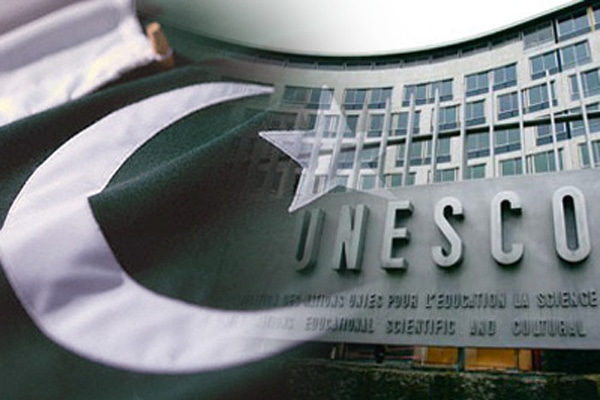
Islamabad, Pakistan — The Director-General of the United Nations Educational, Scientific and Cultural Organization (UNESCO), Dr. Khaled El-Enany, arrived in Islamabad on an official visit aimed at strengthening the longstanding partnership between Pakistan and UNESCO. The high-level visit marks a significant milestone in bilateral cooperation, with discussions spanning the full breadth of UNESCO’s mandate — from education and science to culture, communication, and the preservation of heritage.
A Visit of Strategic Significance
Dr. El-Enany’s arrival was welcomed by senior Pakistani officials, reflecting the importance both sides place on deepening their collaborative ties. The visit comes at a pivotal moment, as Pakistan continues to navigate challenges in literacy, climate resilience, cultural preservation, and digital inclusion — all areas where UNESCO’s expertise and international frameworks can play a transformative role.
During his time in Islamabad, the UNESCO chief held meetings with key government ministers and policymakers to assess ongoing programs and chart the course for future cooperation. Both sides expressed a shared commitment to aligning national development priorities with UNESCO’s global agendas, including the Sustainable Development Goals (SDGs).
Education at the Forefront
Among the most pressing topics on the agenda was Pakistan’s education sector. With millions of out-of-school children and persistent challenges in quality learning outcomes, UNESCO’s support in curriculum reform, teacher training, and inclusive education has been central to Pakistan’s reform agenda.
Dr. El-Enany reaffirmed UNESCO’s dedication to helping Pakistan achieve universal quality education, noting that partnerships built on mutual respect and shared goals are essential to making lasting progress. Discussions also touched on technical and vocational education and training (TVET), which is seen as a critical lever for youth employment in Pakistan.
Culture, Heritage, and the Arts
Pakistan is home to some of the world’s most remarkable archaeological and cultural sites, including Mohenjo-daro, Taxila, and the ancient Buddhist heritage of Gandhara. UNESCO and Pakistan have long cooperated on the protection and promotion of these treasures, and the visit provided an opportunity to review current conservation efforts and explore new initiatives.
Both parties discussed the importance of safeguarding intangible cultural heritage — traditional crafts, music, folklore, and languages — as living expressions of Pakistan’s diverse civilizations. Dr. El-Enany emphasized that cultural diplomacy remains a cornerstone of UNESCO’s global mission.
Science, Technology, and Climate Action
The visit also placed significant emphasis on science and innovation. As Pakistan faces intensifying climate challenges — from devastating floods to prolonged droughts — UNESCO’s work in hydrology, biodiversity, and environmental education becomes increasingly vital. Discussions explored how UNESCO’s science programs, including its Man and the Biosphere (MAB) Programme, can further support Pakistan’s climate adaptation strategies.
Cooperation in the digital sphere was another key theme, with both sides acknowledging the growing need to bridge the digital divide and promote media literacy in a rapidly changing information landscape.
A Partnership Built for the Future
The Director-General’s visit is expected to result in renewed frameworks for cooperation, with clear targets and timelines that reflect both Pakistan’s national priorities and UNESCO’s global mandate. Officials from both sides expressed optimism about the road ahead, underscoring that the partnership between Pakistan and UNESCO is not merely procedural — it is a genuine alliance in service of people.
As Dr. El-Enany concluded his engagements in Islamabad, the message was clear: the relationship between Pakistan and UNESCO is entering a new, more ambitious chapter — one defined by strategic vision, shared values, and a firm commitment to building a more educated, informed, and culturally vibrant society.
