

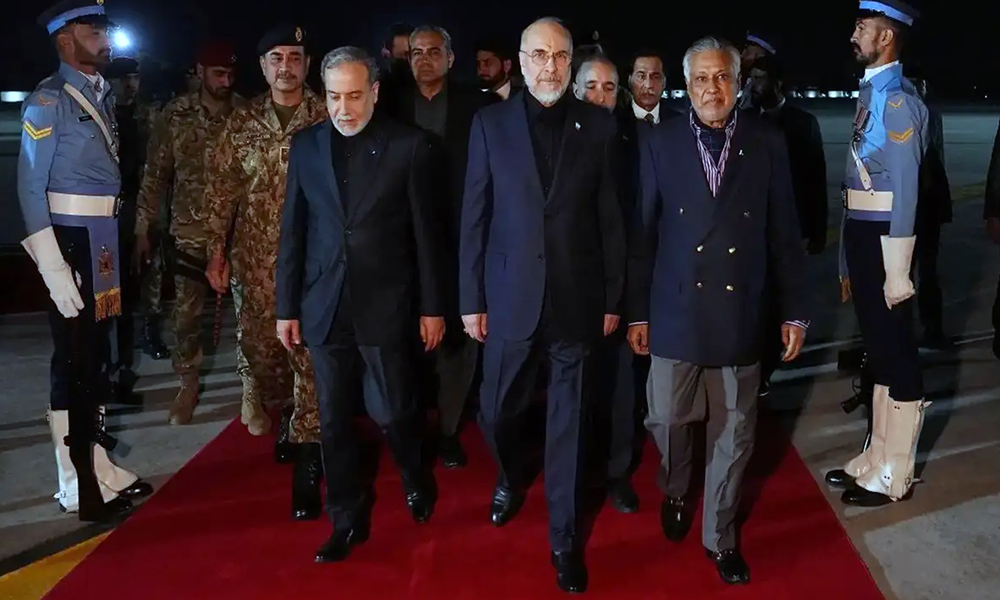
Pakistan has offered to host the next round of negotiations between the United States and Iran in Islamabad, in a move aimed at keeping diplomatic dialogue active and preventing a renewed escalation of tensions.
According to reports, the proposal comes at a sensitive geopolitical moment, as the current ceasefire period between the two sides is expected to conclude soon. Pakistani officials believe that continued engagement is essential to maintaining stability and avoiding further conflict in the region.
Sources familiar with the matter stated that the offer to host the talks in Islamabad remains flexible. The final decision will depend on whether Washington and Tehran agree to hold the next round of discussions in Pakistan or prefer an alternative venue.
While the initial round of talks did not produce a formal agreement, Pakistani authorities are not viewing the outcome as a failure. Instead, they consider it part of an ongoing and evolving diplomatic process aimed at building trust and sustaining communication between both sides.
Officials emphasized that even limited dialogue is valuable in such a complex geopolitical situation. Maintaining open communication channels is seen as critical to preventing misunderstandings and reducing the risk of renewed confrontation once the ceasefire timeline expires.
By positioning itself as a potential host, Pakistan is reinforcing its role as a facilitator of peace and dialogue at the international level. Islamabad’s offer reflects its broader diplomatic approach of encouraging negotiation over confrontation and supporting stability in regions affected by long-standing tensions.
This development also highlights Pakistan’s growing engagement in international diplomacy, as it seeks to contribute constructively to global conflict resolution efforts while strengthening its image as a neutral and cooperative partner.
As discussions continue behind the scenes, the proposed Islamabad venue represents a possible step toward sustained engagement between two major global powers at a crucial moment for regional and international stability.
