

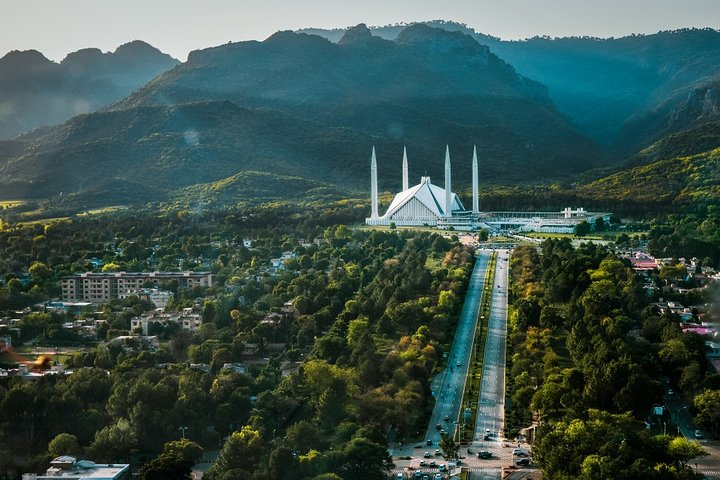
ISLAMABAD, Pakistan In a world where most capitals are defined by congestion, noise, and fast-paced chaos, Islamabad stands apart as a rare example of harmony between nature and urban life. Known for its scenic beauty, organized structure, and peaceful environment, Islamabad is widely regarded as one of the most beautiful capitals in the region and increasingly, in the world.
A Natural Paradise at the Foot of the Hills
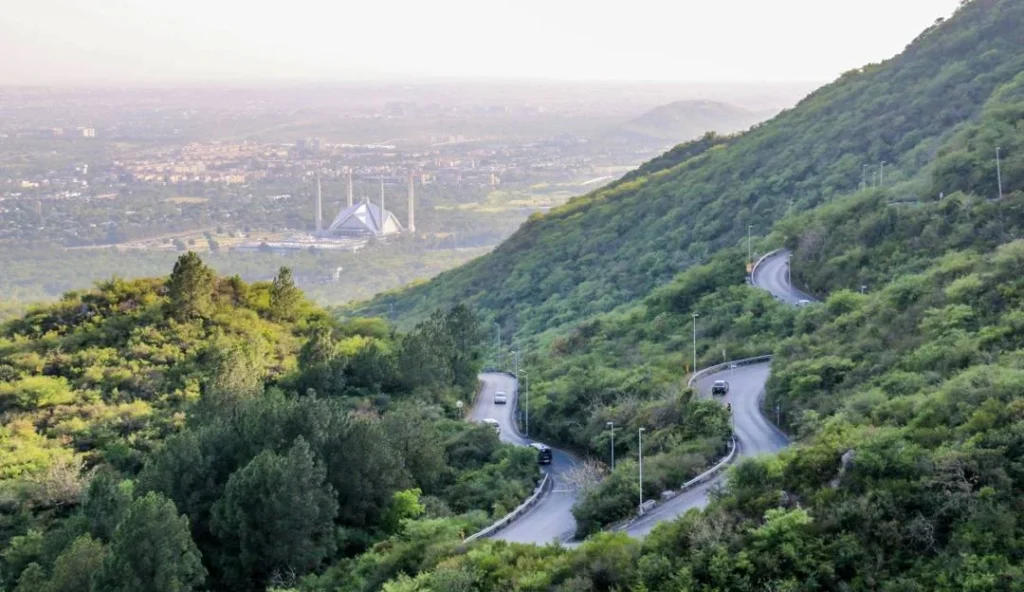
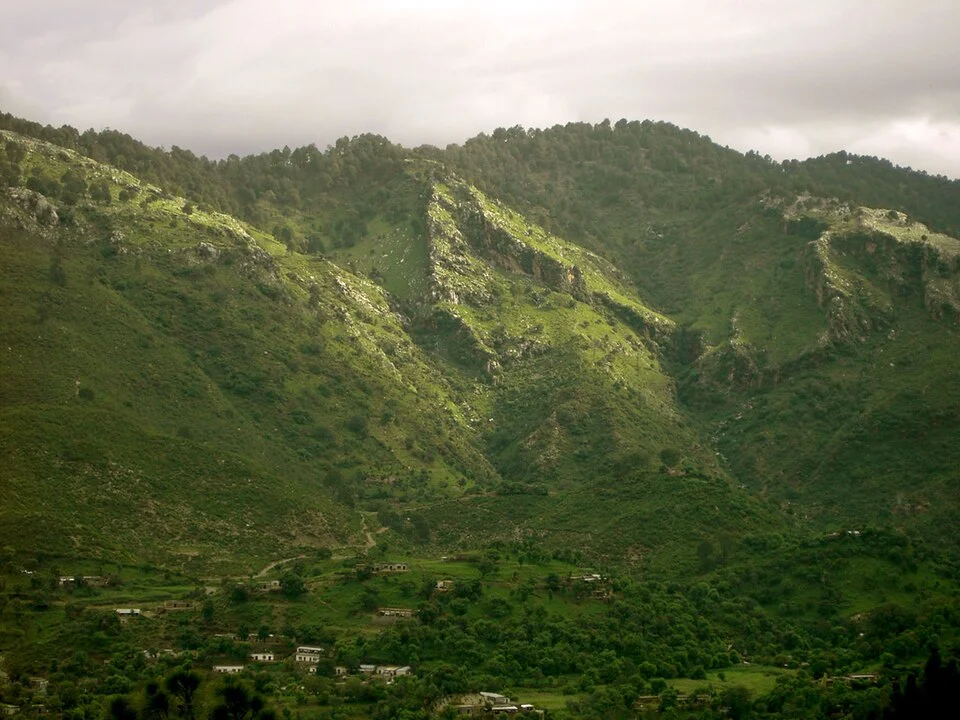
What truly sets Islamabad apart is its extraordinary natural setting. The city stretches gracefully along the base of the majestic Margalla Hills, part of the larger Himalayan foothills. These lush green mountains are not just a backdrop they are an integral part of the city’s identity.
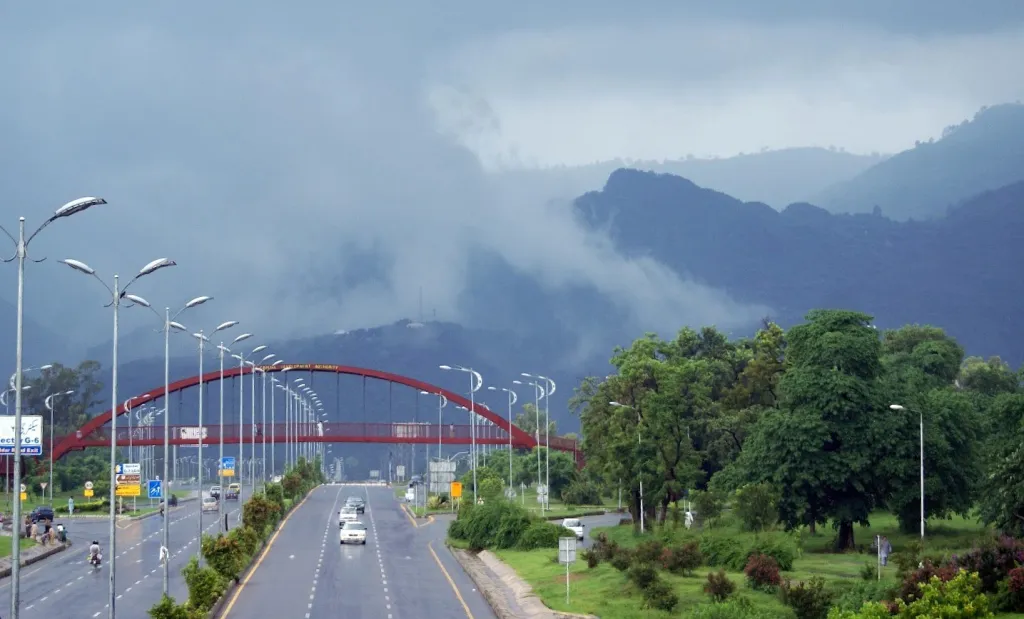
Throughout the year, the Margalla Hills transform with the seasons, offering vibrant greenery in spring, misty views during monsoon, and crisp, clear landscapes in winter. Popular hiking trails such as Trail 3 and Trail 5 attract nature lovers, fitness enthusiasts, and tourists, offering breathtaking views of the entire capital.
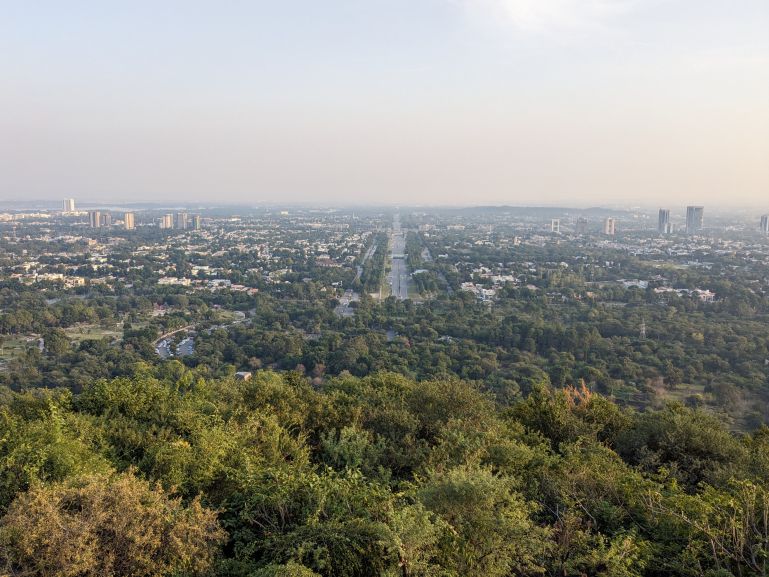
Adding to this natural charm are serene spots like Daman-e-Koh and Pir Sohawa, where visitors can witness panoramic views of the city, especially at sunset when Islamabad glows under golden light.
Iconic Landmarks that Define Beauty
No discussion about Islamabad’s beauty is complete without mentioning the magnificent Faisal Mosque. Unlike traditional domed mosques, its unique, tent-like design and towering minarets create a striking visual identity. Set against the Margalla Hills, it offers one of the most iconic and photographed views in Pakistan.
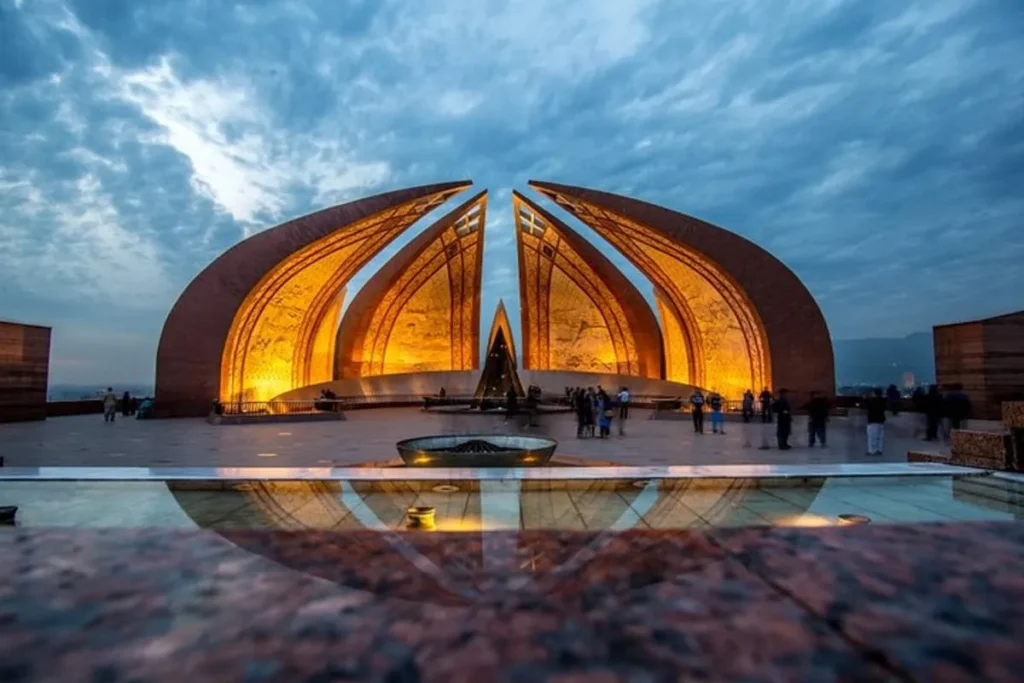
Another architectural marvel is the Pakistan Monument, symbolizing national unity. Its petal-shaped structure represents Pakistan’s provinces and regions, and the monument is beautifully illuminated at night, making it a must-visit destination.
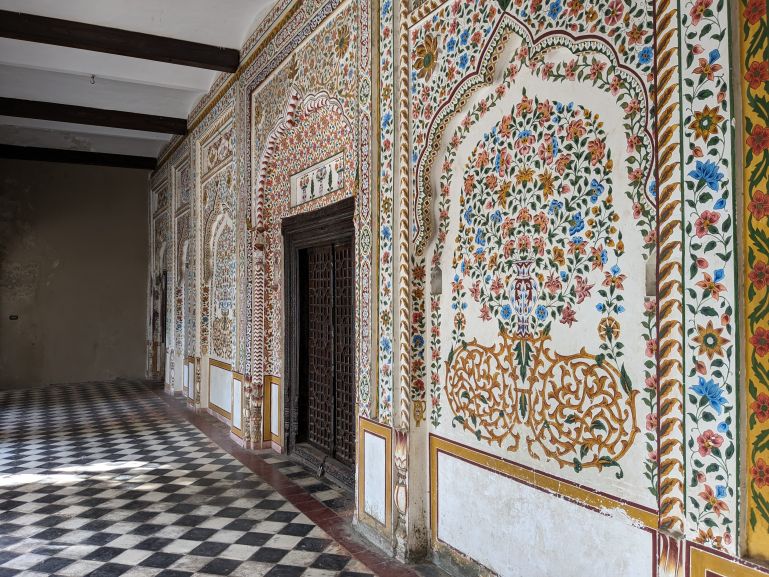
Nearby, the Lok Virsa Museum showcases the rich cultural heritage of Pakistan, blending history, art, and tradition in a modern setting.
A Masterpiece of Urban Planning
Unlike many rapidly developed cities, Islamabad was built with a clear vision. Designed by Greek architect Constantinos Apostolou Doxiadis, the city follows a grid-based sector system that ensures organization, accessibility, and balance.
Each sector is equipped with its own parks, schools, markets, and mosques, creating self-sufficient communities. Wide, tree-lined roads, minimal traffic congestion, and clearly defined zones make Islamabad one of the most livable cities in Pakistan.
The presence of green belts, public parks, and open spaces ensures that urban development never overshadows natural beauty a rare achievement for a modern capital.
Cleanliness and Environmental Excellence
Islamabad is often recognized as the cleanest city in Pakistan, and this reputation is well-earned. Streets are well-maintained, greenery is preserved, and environmental initiatives continue to improve sustainability.
Parks such as Fatima Jinnah Park one of the largest urban parks in South Asia offer vast open spaces for recreation, sports, and relaxation. Families, joggers, and students gather here daily, enjoying a safe and refreshing environment.
The city’s relatively low pollution levels, compared to other major urban centers, contribute to healthier living and a higher quality of life.
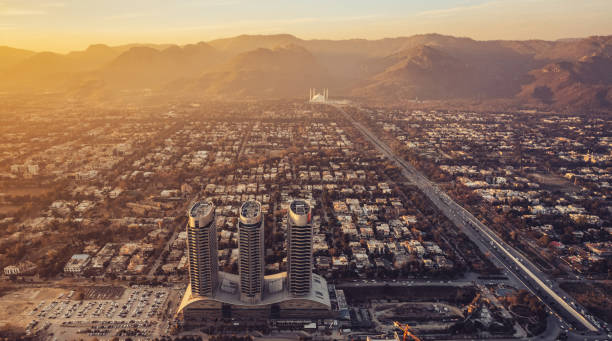
The estimated cost for building the complex was US$100 million.[5] The Centaurus Mall has four stories and comprises of more than 250 shops.[6][
A Peaceful and Secure Atmosphere
Another defining characteristic of Islamabad is its calm and peaceful environment. Away from the intense hustle of larger cities, Islamabad offers a slower, more relaxed pace of life.
This tranquility makes it an attractive destination for diplomats, professionals, and families. As the seat of government and home to numerous embassies and international organizations, the city maintains high standards of security and infrastructure.
A Blend of Culture, Modernity, and Lifestyle
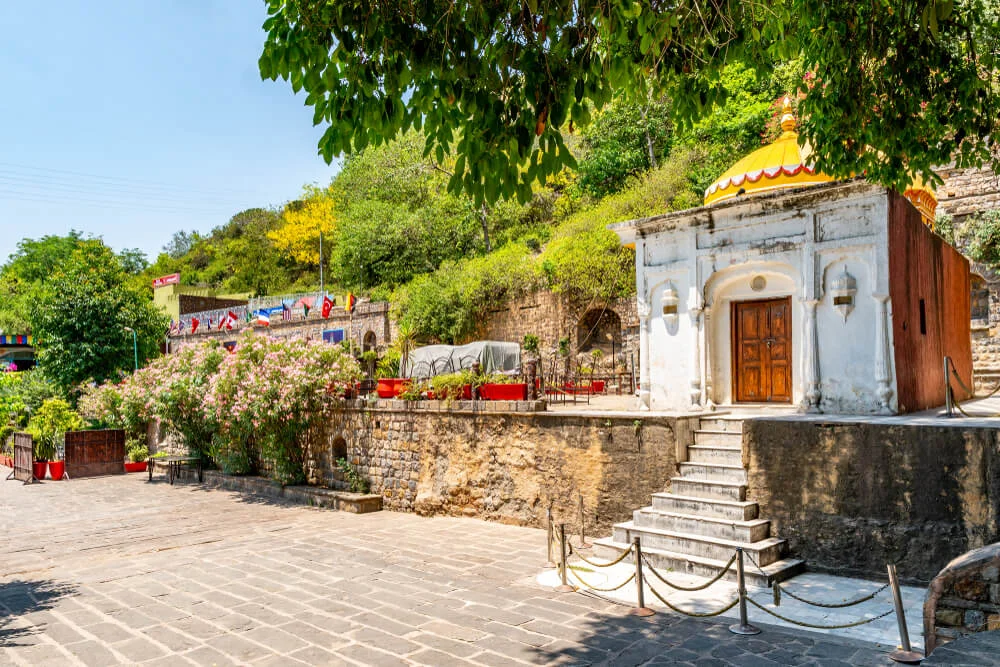
While Islamabad is known for its calmness, it is far from quiet in terms of lifestyle. The city offers a vibrant mix of cultural and modern experiences.
From art galleries and cultural festivals to upscale restaurants and shopping centers, Islamabad caters to a diverse population. Areas like F-6, F-7, and Blue Area are hubs of activity, offering everything from traditional crafts to contemporary cuisine.
The city also hosts educational institutions, think tanks, and innovation hubs, making it a center for intellectual and cultural growth.
A Gateway to Tourism and Adventure
Islamabad’s location makes it a gateway to some of Pakistan’s most stunning турист destinations. Within a few hours’ drive, one can reach hill stations like Murree or explore the northern areas of the country.
This accessibility adds to Islamabad’s appeal, making it not just a destination in itself but also a starting point for adventure and exploration.
A Symbol of Positive Pakistan
In many ways, Islamabad represents the positive image of Pakistan to the world. Its beauty, order, and peacefulness challenge stereotypes and showcase the country’s potential for modern, sustainable urban development.
Visitors often leave with a renewed perspective, impressed by the city’s cleanliness, hospitality, and scenic charm.
Conclusion
Islamabad is more than just the capital of Pakistan it is a vision of what a city can be when nature and development coexist in harmony. With its stunning landscapes, iconic landmarks, organized structure, and peaceful environment, Islamabad continues to inspire both residents and visitors alike.
As it grows and evolves, the city remains committed to preserving its natural beauty and high quality of life, ensuring that it remains one of the most beautiful capitals in the world.
