

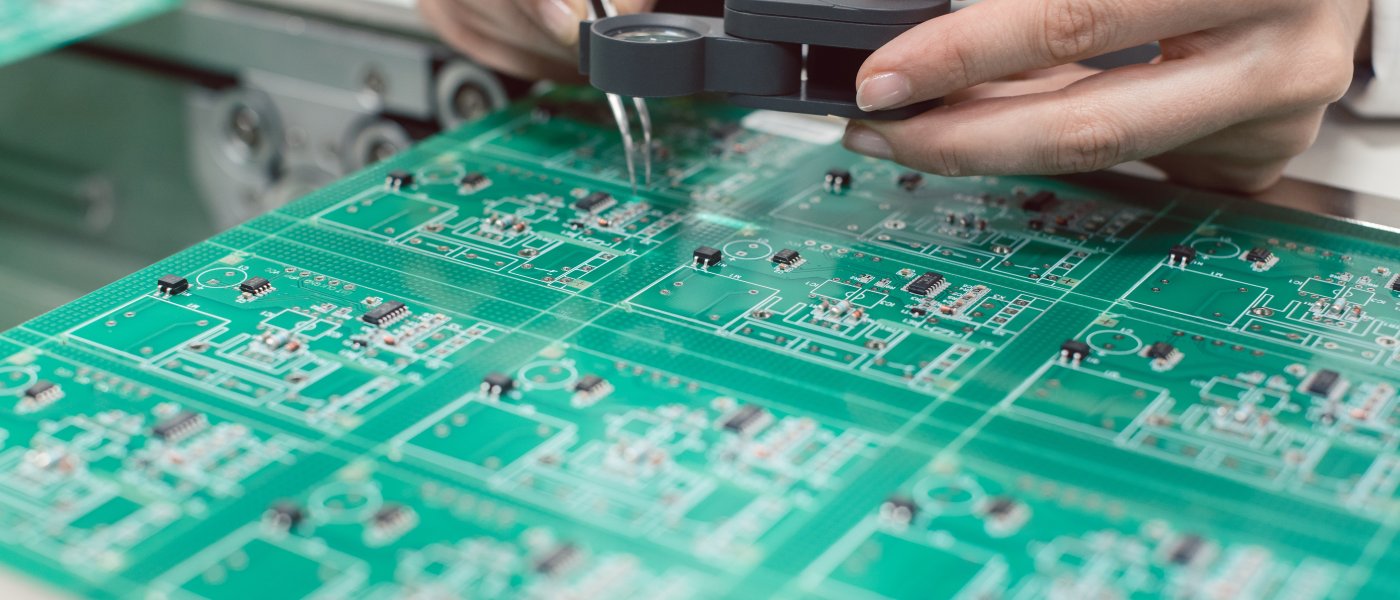
In a major step toward building a strong technology future, the Pakistan Software Export Board (PSEB) has announced the launch of the National Semiconductor Human Resource Development Program (NSHRDP) Phase-I, with an investment of Rs. 4.8 billion.
This initiative is designed to prepare Pakistan’s youth for the rapidly growing global semiconductor industry. Semiconductors are the backbone of modern technology, powering everything from smartphones and computers to artificial intelligence systems and advanced machinery. By focusing on this field, Pakistan aims to create new opportunities for its young engineers and strengthen its presence in the global tech market.
Under this program, PSEB will establish advanced semiconductor training labs in multiple universities and research institutions across the country. These labs will be equipped with modern Electronic Design Automation (EDA) tools, allowing students to gain hands-on experience in real-world chip design and development processes.
The program aims to train more than 7,200 engineers in key areas such as integrated circuits (IC) design and system-on-chip (SoC) development. Special attention will also be given to chip verification, which is a critical part of ensuring that semiconductor designs work correctly before they are manufactured.
To successfully implement the initiative, PSEB is collaborating with nine leading universities in Pakistan. This partnership will help provide students with access to quality training, expert guidance, and industry-level skills that match international standards.
One of the most important aspects of this program is its focus on “fabless” chip design. Instead of investing in expensive semiconductor manufacturing plants, Pakistan will concentrate on designing chips. This approach is cost-effective and allows the country to quickly develop expertise in high-demand areas of the semiconductor industry.
Experts believe that this initiative can play a key role in boosting Pakistan’s IT exports and creating high-paying job opportunities for engineers. It also reflects the government’s commitment to promoting a knowledge-based economy and preparing the workforce for future technologies.
Overall, the NSHRDP Phase-I is a promising step toward innovation, skill development, and economic growth. By investing in semiconductor education and training, Pakistan is laying the foundation for a stronger and more competitive position in the global technology landscape.
