

For many years, countries around the world including Pakistan depended heavily on imported technology to run their systems. From government databases and banking software to communication networks and surveillance tools, most of the digital infrastructure was developed and controlled by foreign companies.
In earlier times, this approach was practical and cost-effective. Global technology firms offered advanced solutions that allowed countries to modernize quickly without investing heavily in local research and development. For developing economies, importing technology meant faster progress and easier access to global standards.
However, the role of technology has changed dramatically.
Today, digital systems are at the core of almost every sector. Governments rely on technology for administration and public services, financial institutions depend on secure digital platforms, and businesses operate through interconnected systems. Even national security now involves advanced technological infrastructure.
This increasing dependence has raised serious concerns.
When critical systems are built and controlled outside the country, it can create risks related to data security, privacy, and long-term reliability. Sensitive information may be stored or processed on external platforms, while system updates and maintenance remain dependent on foreign providers. In uncertain global situations, this reliance can also affect a country’s operational independence.
Because of these challenges, many nations are now focusing on strengthening their own technological capabilities.
Building local technology is not just about reducing dependence it is also about creating opportunities. Developing domestic expertise in software, hardware, and digital services can lead to innovation, job creation, and economic growth. It allows countries to design solutions that better match their own needs and priorities.
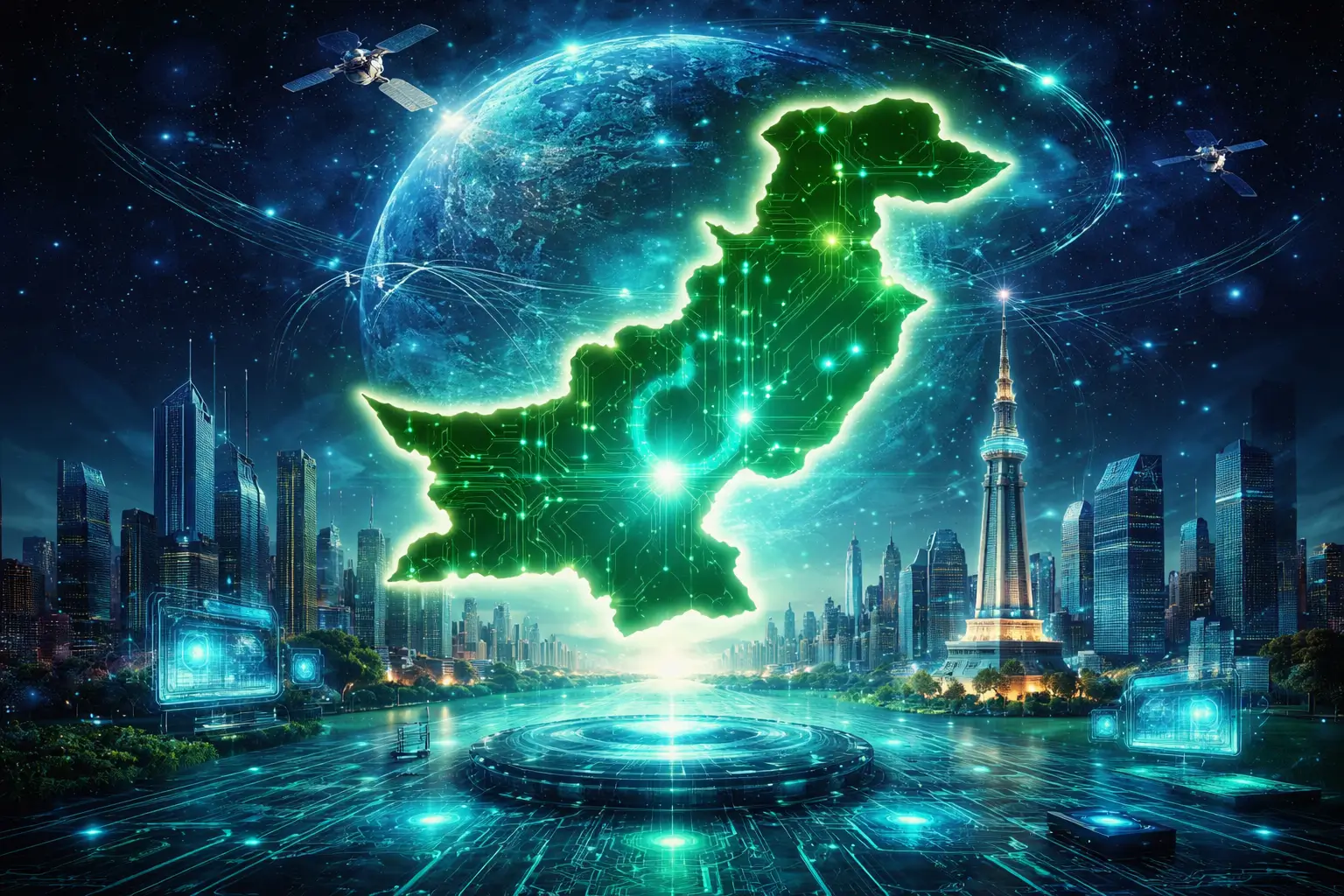
For Pakistan, this shift is becoming increasingly important. With a growing IT sector, a young and skilled workforce, and rising interest in startups and innovation, the country has the potential to build a strong local tech ecosystem. Government initiatives, private investments, and academic research are slowly contributing to this transformation.
While the journey toward technological self-reliance may take time, it is a necessary step in today’s digital world. Countries are realizing that true progress does not only come from using advanced technology, but from having the ability to build, control, and secure it independently.
In the years ahead, local technology development will likely play a key role in shaping economic strength, national security, and global competitiveness not just for Pakistan, but for nations across the world.
