

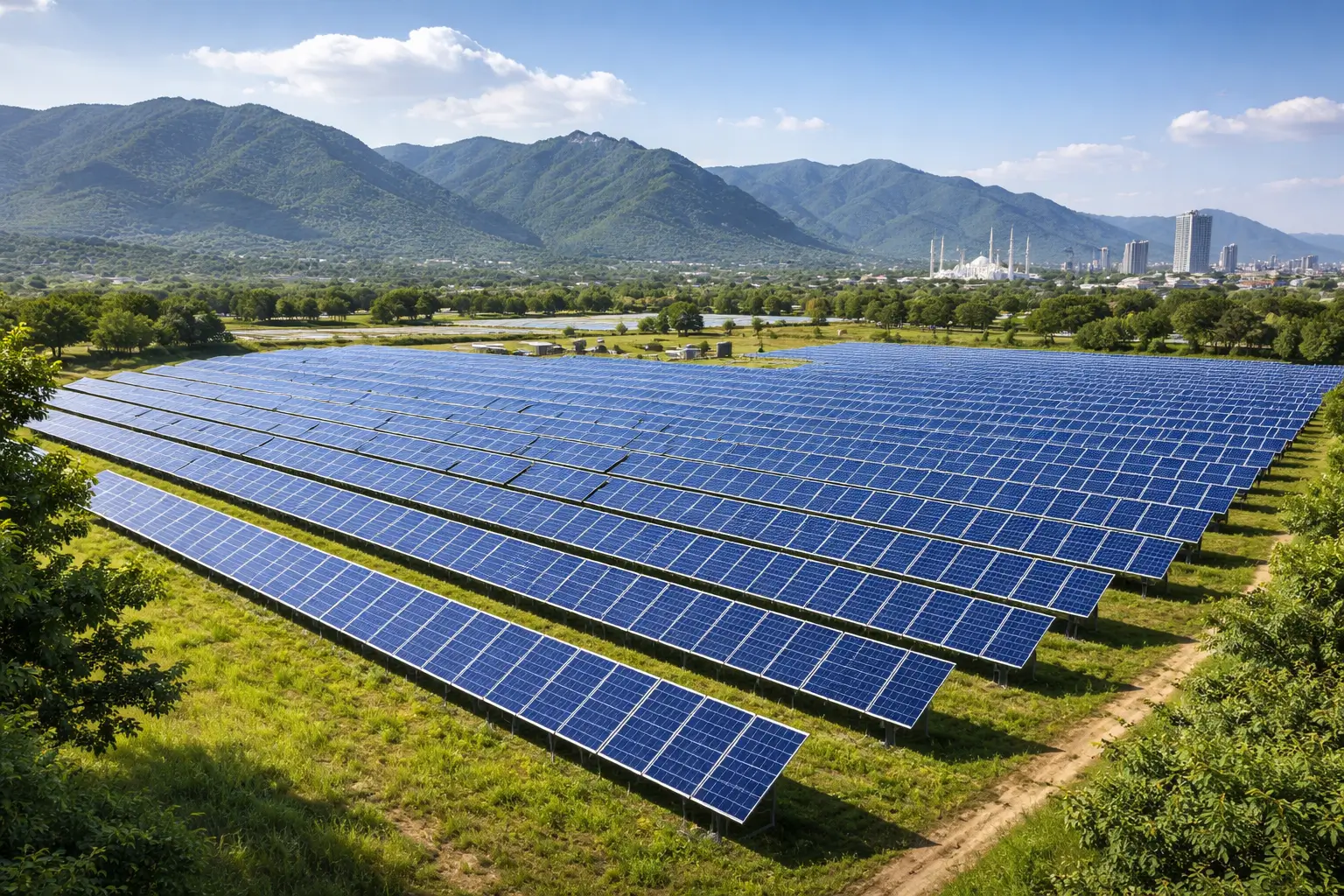
Pakistan’s renewable energy sector is undergoing a transformative shift in 2026, with solar energy emerging as one of the fastest-growing power sources in the country. Amid rising electricity tariffs, fuel import pressures, and climate concerns, households and industries are increasingly turning toward clean and affordable solar solutions.
The expansion of solar installations across Pakistan marks a significant milestone in the country’s journey toward energy independence and economic resilience.
Rapid Growth in Solar Installations Across Pakistan
According to policy direction from the Alternative Energy Development Board and regulatory oversight by the National Electric Power Regulatory Authority, Pakistan has witnessed a major rise in solar capacity additions over recent years.
Key Developments:
- Strong increase in rooftop solar systems
- Expansion of net-metering consumers
- Commercial plazas shifting to solar backup systems
- Industrial zones adopting hybrid solar plants
- Growing off-grid solar use in rural areas
Major cities such as Lahore, Karachi, Islamabad, Faisalabad, and Multan are leading the rooftop solar boom, while smaller towns are also rapidly adopting renewable systems.
Why Solar Energy is Growing So Fast in Pakistan
Rising Electricity Costs
Frequent tariff revisions and high fuel import costs have encouraged consumers to reduce reliance on conventional grid electricity.
Net Metering Policy Support
Under net-metering regulations, consumers can generate their own electricity and sell surplus power back to the national grid making solar financially viable.
Declining Global Solar Panel Prices
International price reductions have made solar installations more affordable for middle-income households.
Energy Security & Economic Stability
Reducing dependence on imported fuel helps strengthen Pakistan’s foreign exchange position and improves long-term energy sustainability.
Industrial and Business Sector Leading the Transition
Export-oriented industries and manufacturing units are increasingly installing large-scale solar systems to:
- Reduce operational expenses
- Improve profit margins
- Enhance sustainability credentials
- Stay competitive in global markets
Lower energy costs directly improve Pakistan’s export competitiveness — especially in textiles and manufacturing.
Environmental Benefits and Climate Responsibility
Solar energy contributes to:
- Reduced carbon emissions
- Lower fossil fuel consumption
- Improved urban air quality
- Sustainable long-term energy planning
As climate challenges intensify globally, renewable energy expansion strengthens Pakistan’s environmental commitments.
Job Creation & Economic Opportunities
The solar boom is generating employment in:
- Installation & technical services
- Engineering & electrical services
- Solar equipment distribution
- Maintenance & monitoring
- Green startups
Thousands of skilled and semi-skilled workers are benefiting from renewable energy expansion.
Future Outlook: Toward a Solar-Powered Pakistan
Energy analysts believe that if current momentum continues:
- Solar capacity will significantly reduce grid pressure.
- Private sector investment in renewables will expand.
- Battery storage and hybrid systems will grow rapidly.
- Pakistan could emerge as a regional renewable energy leader.
Policy consistency and grid modernization remain key to sustaining long-term growth.
