

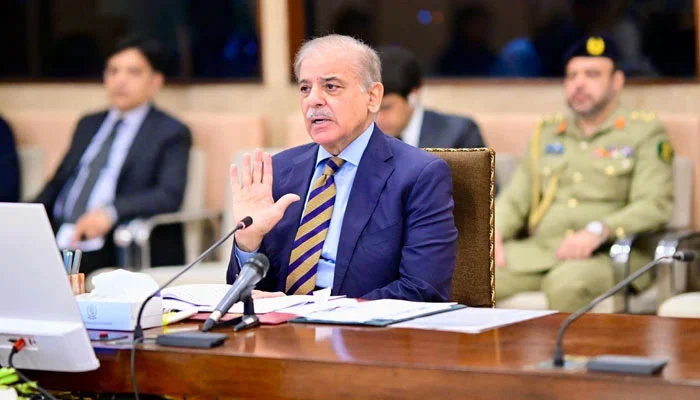
Pakistan Strengthens Efforts to Reduce Poverty
The government of Pakistan has intensified its efforts to reduce poverty and support low-income communities through expanded social protection programs and financial assistance initiatives. These measures aim to improve the quality of life for vulnerable families by providing financial support, employment opportunities, and access to essential services.
Over the past few years, poverty reduction has become a key national priority as policymakers work to address economic challenges while ensuring that disadvantaged communities receive adequate support. Social welfare programs are being expanded to help families manage rising living costs and improve their long-term economic stability.
Government officials have emphasized that these initiatives are designed not only to provide short-term relief but also to promote sustainable economic empowerment for millions of citizens across the country.
Expanding Social Safety Net Programs
One of the major pillars of Pakistan’s poverty reduction strategy is the strengthening of national social safety net programs. The government continues to expand initiatives such as the Benazir Income Support Programme, which provides financial assistance to millions of low-income households.
Through this program, eligible families receive direct financial support that helps them cover essential expenses such as food, healthcare, and education. The initiative also focuses on empowering women by ensuring that financial aid is often distributed directly to female members of households.
Experts believe that social safety net programs have played a crucial role in reducing extreme poverty and providing stability for vulnerable communities, especially during periods of economic uncertainty.
Supporting Education and Human Development
Poverty reduction programs in Pakistan also focus heavily on education and human development. Special initiatives encourage families to send their children to school by offering conditional cash transfers linked to school attendance.
These programs aim to break the cycle of poverty by investing in education and providing children with better opportunities for the future. By ensuring that children remain in school, policymakers hope to create a more skilled workforce that can contribute to national development in the coming decades.
Improving access to education is widely seen as one of the most effective long-term strategies for reducing poverty and promoting economic mobility.
Economic Opportunities and Employment Initiatives
In addition to direct financial assistance, the government is also promoting employment opportunities and skills development programs. Various initiatives focus on vocational training, entrepreneurship, and small business support for individuals from low-income communities.
These programs aim to help people develop practical skills that can lead to sustainable income sources. By encouraging entrepreneurship and self-employment, policymakers hope to empower individuals to become financially independent.
Employment generation remains a key component of poverty reduction efforts, as stable jobs can significantly improve household incomes and overall economic wellbeing.
Role of International Partnerships
Pakistan’s poverty reduction initiatives are also supported by partnerships with international organizations such as the World Bank and the Asian Development Bank. These organizations provide financial assistance, policy advice, and technical support for social welfare and development programs.
International collaboration helps strengthen institutional capacity and ensures that poverty reduction strategies are aligned with global best practices. Such partnerships also help expand funding for development initiatives aimed at improving living conditions for millions of Pakistanis.
Positive Impact on Communities
Social protection programs have already made a significant impact in many parts of the country. Millions of families have benefited from financial support, educational incentives, and employment initiatives.
By addressing immediate financial challenges while investing in long-term development, these programs are helping communities build resilience and improve their economic prospects.
Experts note that continued investment in poverty reduction initiatives will be essential for ensuring inclusive economic growth across Pakistan.
Looking Ahead
Pakistan’s efforts to reduce poverty and strengthen social protection programs demonstrate a commitment to building a more inclusive and equitable society. As these initiatives continue to expand, they are expected to provide greater opportunities for vulnerable families and contribute to long-term national development.
With sustained policy focus and international collaboration, Pakistan aims to significantly reduce poverty levels and improve living standards for millions of citizens in the coming years.

